
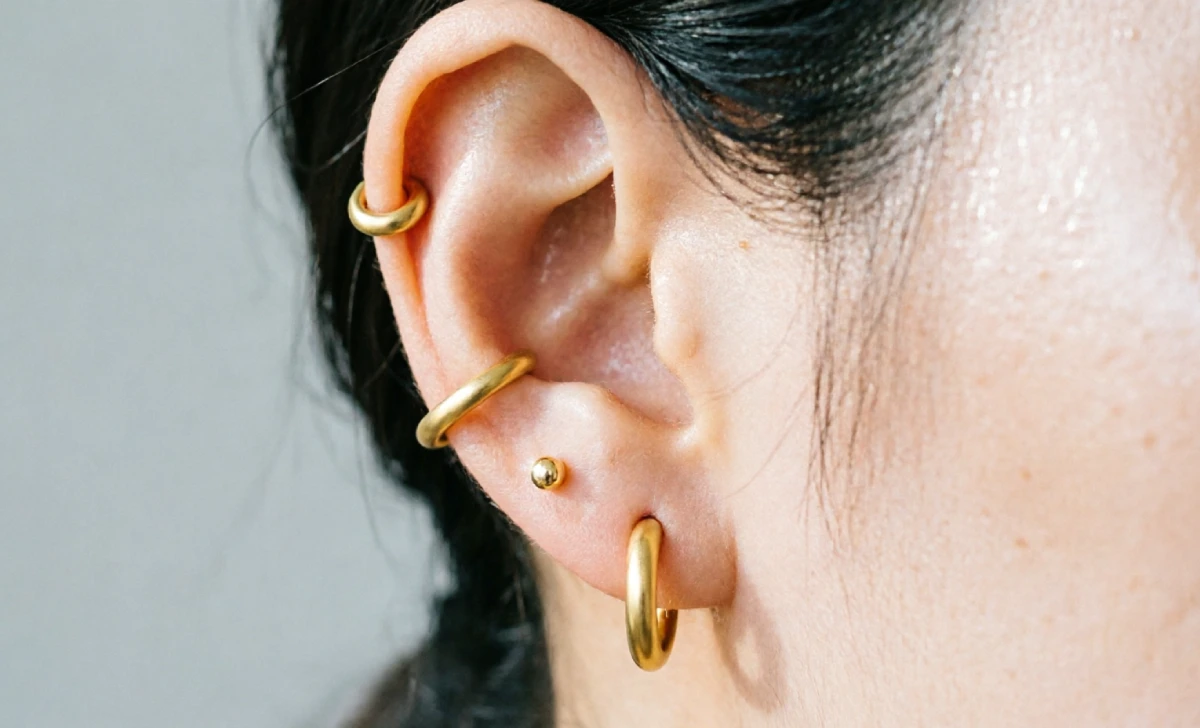
Thinking about getting a new piercing but not sure where to start? You’re not alone. With so many types of ear piercings to choose from, picking the right one can feel overwhelming. This guide breaks down every popular style, so you can pick one that fits your look, comfort level, and lifestyle.
What Are the Different Types of Ear Piercings?
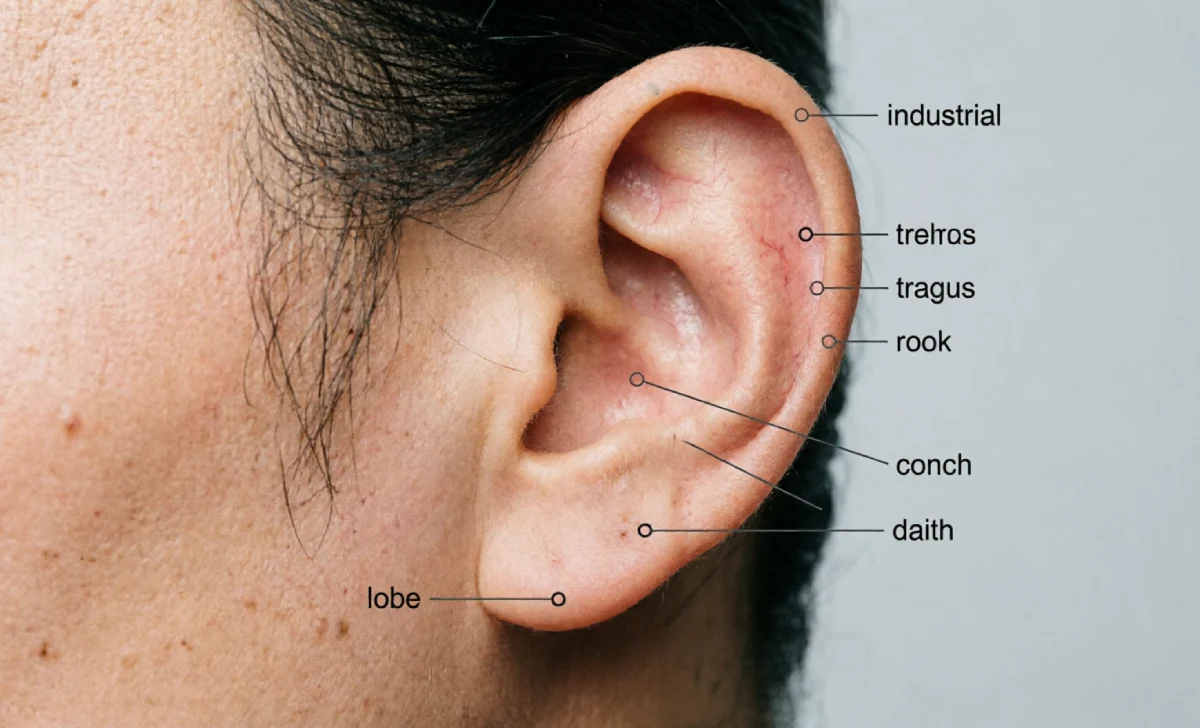
Ear piercings come in many shapes and placements. Each one sits on a different part of your ear, from the soft lobe to the firmer cartilage.
You’ll find piercings ranging from classic and simple to bold and unique. Your choice usually depends on pain tolerance, healing time, and personal style.
Below, you’ll learn about the most popular types, what they look like, and what to expect from each one.
What Is a Lobe Piercing?
The lobe piercing is the most common type you’ll see. It goes through the soft, fleshy part at the bottom of your ear.
You’ll find this piercing is the least painful option available. Most people heal within 6 to 8 weeks, making it perfect if you’re a first-timer.
Because the lobe has no cartilage, you can wear almost any earring style here. Studs, hoops, and dangles all work well.
How Does a Helix Piercing Work?
A helix piercing sits on the upper cartilage rim of your ear. You might have seen it worn with small hoops or studs.
This piercing takes longer to heal than a lobe piercing, usually 3 to 6 months. That’s because cartilage has less blood flow than skin.
You’ll feel a sharper pinch during this piercing compared to a lobe. Still, most people describe the pain as quick and manageable.
A double or triple helix is also popular if you want a layered look.
Tragus Piercing: What You Need to Know
The tragus is the small flap of cartilage right in front of your ear canal. It’s a subtle piercing that adds a stylish detail.
You’ll usually feel a brief, sharp pinch since this area has thick cartilage. Healing takes around 3 to 6 months for most people.
This piercing works well with small studs or tiny hoops. It’s a great option if you want something unique but not too flashy.
What Is a Rook Piercing?
The rook piercing goes through the ridge of cartilage above your ear canal. It’s a bit trickier to pierce because of its curved shape.
You might notice this piercing hurts a little more than others. That’s because the rook has dense cartilage and less space to work with.
Healing usually takes 6 to 9 months. Patience is key here, since this spot can take longer to settle.
Conch Piercing Explained
The conch piercing sits in the middle, shell-shaped part of your ear. You can get it as an inner conch or outer conch, depending on placement.
This piercing allows for bigger jewelry, like hoops or statement studs. It’s a great choice if you want your piercing to stand out.
Healing time ranges from 6 months to a year. Since it’s a larger piercing, you’ll need extra patience and consistent aftercare.
What Is a Daith Piercing?
The daith piercing goes through the small fold of cartilage just above your ear canal. Some people also seek this piercing for its trendy look.
You’ll feel more pressure than pain during this piercing, since the area is small and dense. Healing takes about 6 to 9 months.
This piercing pairs well with small hoops. It’s a bold choice if you want something a little different from the usual lobe or helix.
Note: Some people mention the daith piercing alongside migraine relief claims, but there’s no strong scientific evidence supporting this.
Which Ear Piercing Heals the Fastest?
If you want quick healing, the lobe piercing is your best option. It typically heals within 6 to 8 weeks.
Cartilage piercings like the helix, tragus, and conch take much longer. You’re looking at anywhere from 3 months to a full year, depending on the spot.
Your body’s healing speed also depends on your aftercare routine, immune system, and how often you touch or bump the piercing.
Industrial Piercing: A Bold Choice
An industrial piercing connects two holes across the upper ear with a single barbell. It’s one of the more advanced and eye-catching styles.
You’ll need both piercings to heal at the same time, which usually takes 6 to 12 months. This makes it a bigger commitment than a single piercing.
Because of its visibility, the industrial piercing is popular with people who want a statement look. Just be ready for a longer healing journey.
How Do You Choose the Right Ear Piercing?
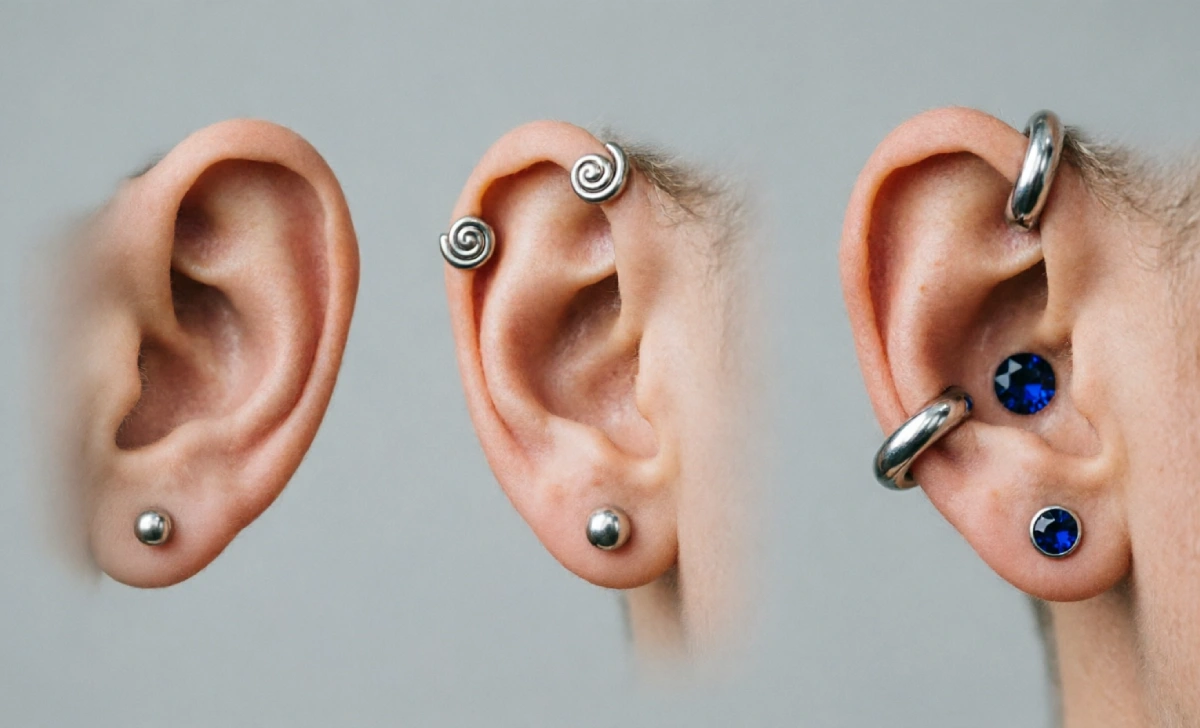
Start by thinking about your pain tolerance and how much healing time you’re willing to commit to. Lobe piercings suit beginners, while cartilage piercings suit those ready for more commitment.
You should also consider your lifestyle. If you sleep on your side or wear headphones often, some cartilage spots may feel uncomfortable during healing.
Finally, think about your personal style. Do you want something subtle, like a tragus, or bold, like a conch or industrial?
Talking to a professional piercer can also help you decide. They can look at your ear shape and recommend placements that suit you best.
Aftercare Tips for New Piercings
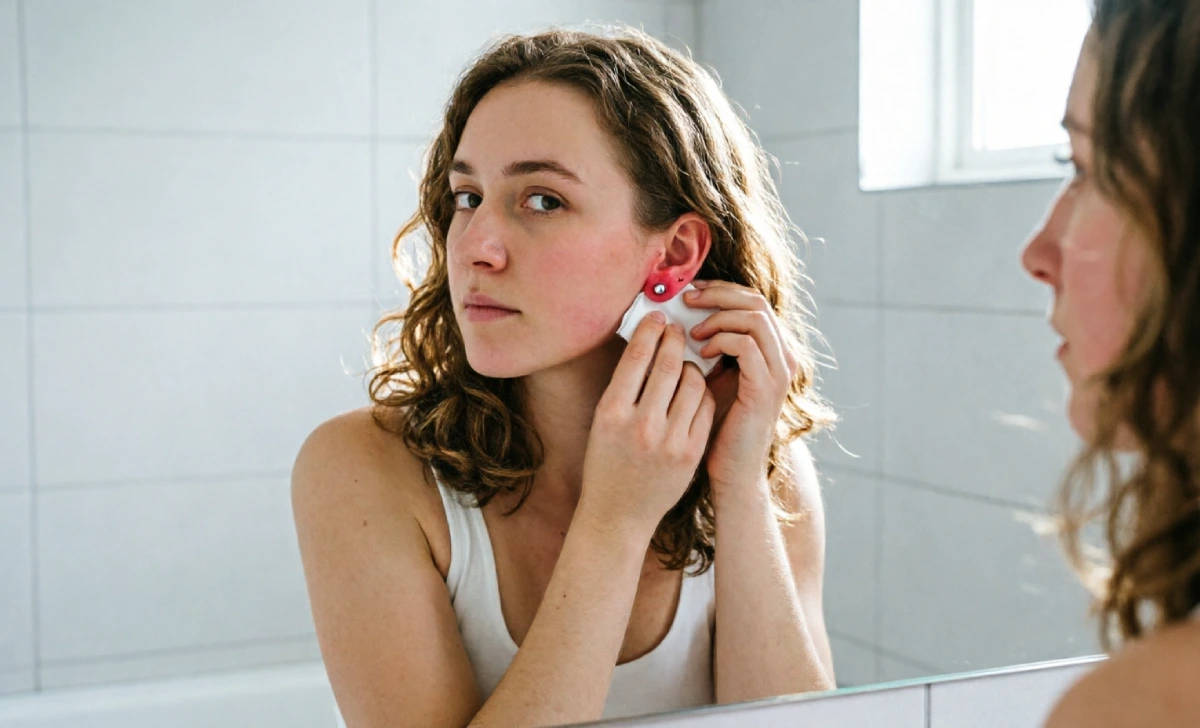
Whatever type you choose, proper aftercare matters. Clean your piercing twice a day with a saline solution to prevent infection.
You should avoid touching your piercing with dirty hands. This simple habit lowers your risk of irritation and swelling.
Don’t remove your jewelry too early, even if it looks healed on the surface. Cartilage piercings especially need the full healing period before you switch earrings.
If you notice redness, pus, or ongoing pain, reach out to your piercer or a doctor. Catching problems early makes treatment much easier.
FAQs
What is the least painful ear piercing?
The lobe piercing is usually the least painful. It’s soft tissue with no cartilage, so healing is faster and more comfortable for most people.
How long do ear piercings take to heal?
Lobe piercings heal in 6 to 8 weeks. Cartilage piercings like helix, tragus, or conch can take 3 months to a full year, depending on placement.
Can I get multiple ear piercings at once?
Yes, many people get multiple piercings in one session. Just keep in mind that healing multiple spots together may require extra care and patience.
Which ear piercing is best for beginners?
The lobe piercing is the best starting point. It’s simple, low-pain, and heals quickly compared to cartilage piercings.
Conclusion
Choosing from the many types of ear piercings comes down to your comfort, style, and patience for healing. Lobe piercings are great if you want something easy and quick. Cartilage piercings like helix, tragus, rook, and conch offer bold, unique looks but need more healing time.
Whatever you pick, proper aftercare is the key to a smooth, infection-free experience. Take your time, choose a trusted piercer, and enjoy your new look.