
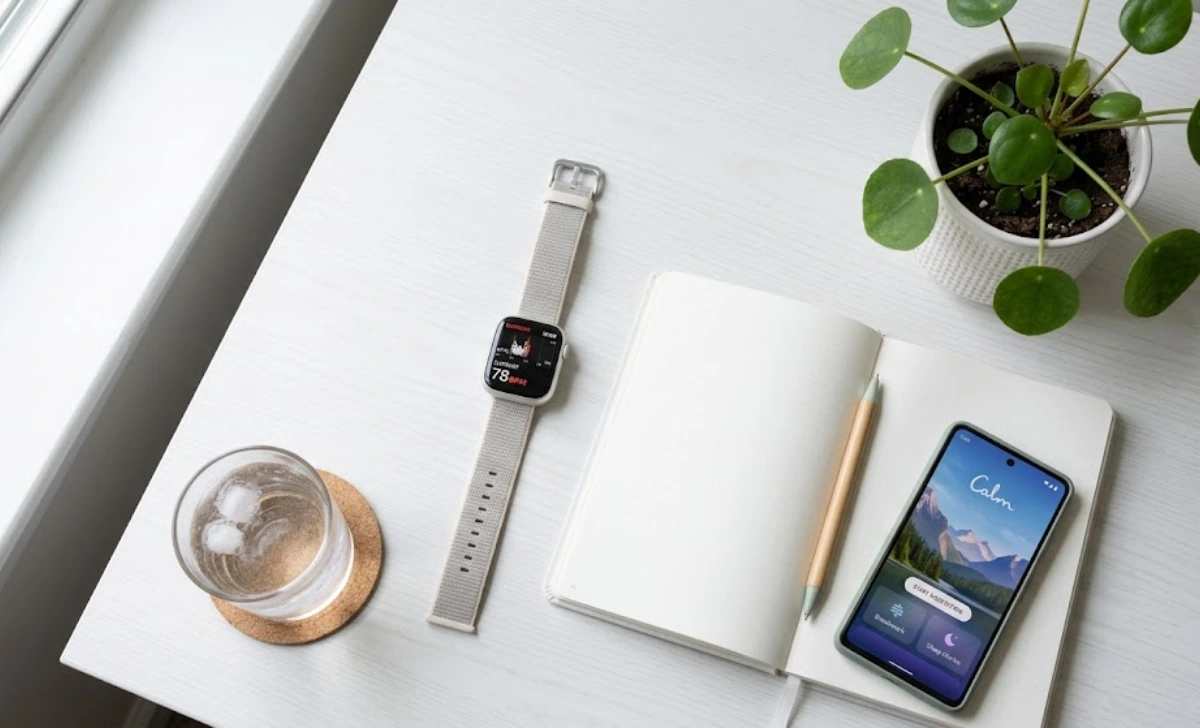
The relationship between technology and wellness has never been more accessible — your smartwatch buzzes gently after you’ve been sitting too long, and your meditation app sends a quiet reminder to breathe before a big meeting. You’ve probably wondered if all that screen time and gadget use can really boost your energy or if it’s just more digital noise. For years, screens got blamed for stress and burnout, but a different story is now emerging. This guide walks you through the real, science-backed ways technology supports your mental, physical, and emotional health, and how you can start using it today.
How Does Wearable Technology Encourage You to Move More Every Day?
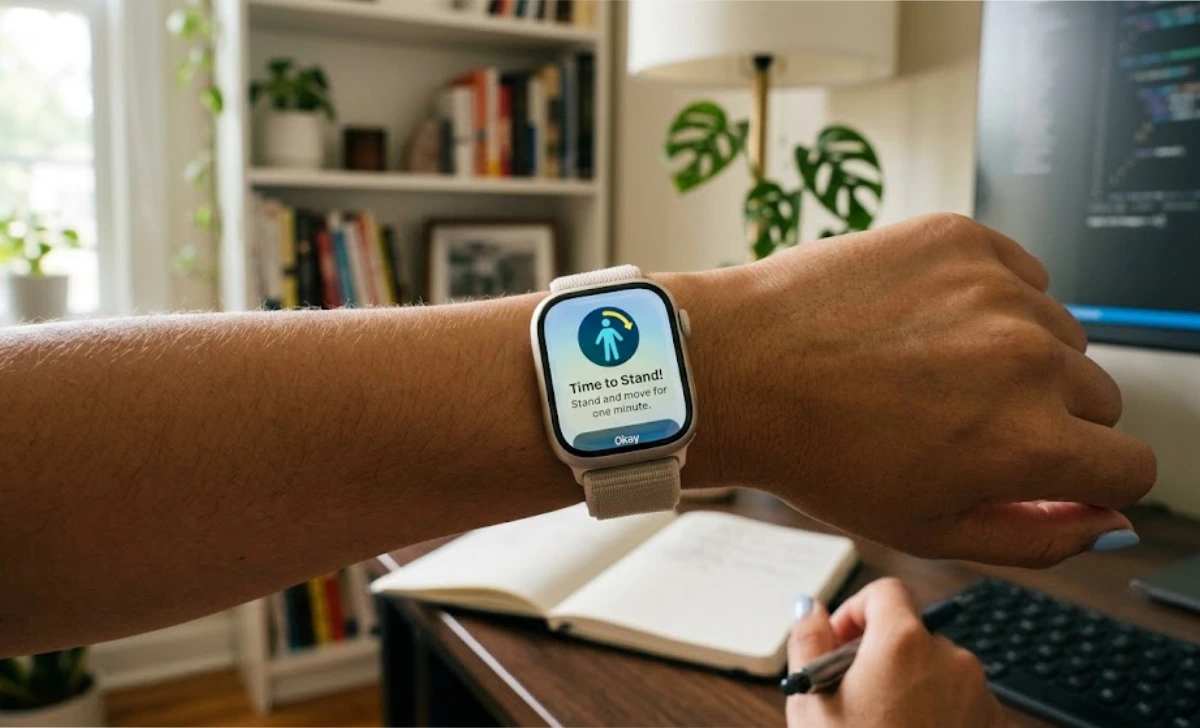
You check your wrist and realize you’ve been sitting at your desk for two hours straight. A gentle buzz from your Apple Watch or Fitbit nudges you to stand up.
This isn’t an accident. It’s a tiny prompt designed to interrupt a long stretch of stillness.
These small alerts work because of a simple psychological trick called a behavior cue. Your brain responds better to short, repeated nudges than to one big goal like “exercise more.”
Heart rate monitoring and step count data give you instant feedback, which makes the habit feel rewarding right away. Over weeks, these tiny nudges add up to real change.
You don’t need to run a marathon. You just need your watch to catch the moments you’d otherwise miss, one buzz at a time.
This kind of consistent movement lowers your risk for issues like high blood pressure and poor circulation. It’s a small, steady investment that compounds over months.
Can Apps Really Improve Your Mental and Emotional Well-Being?
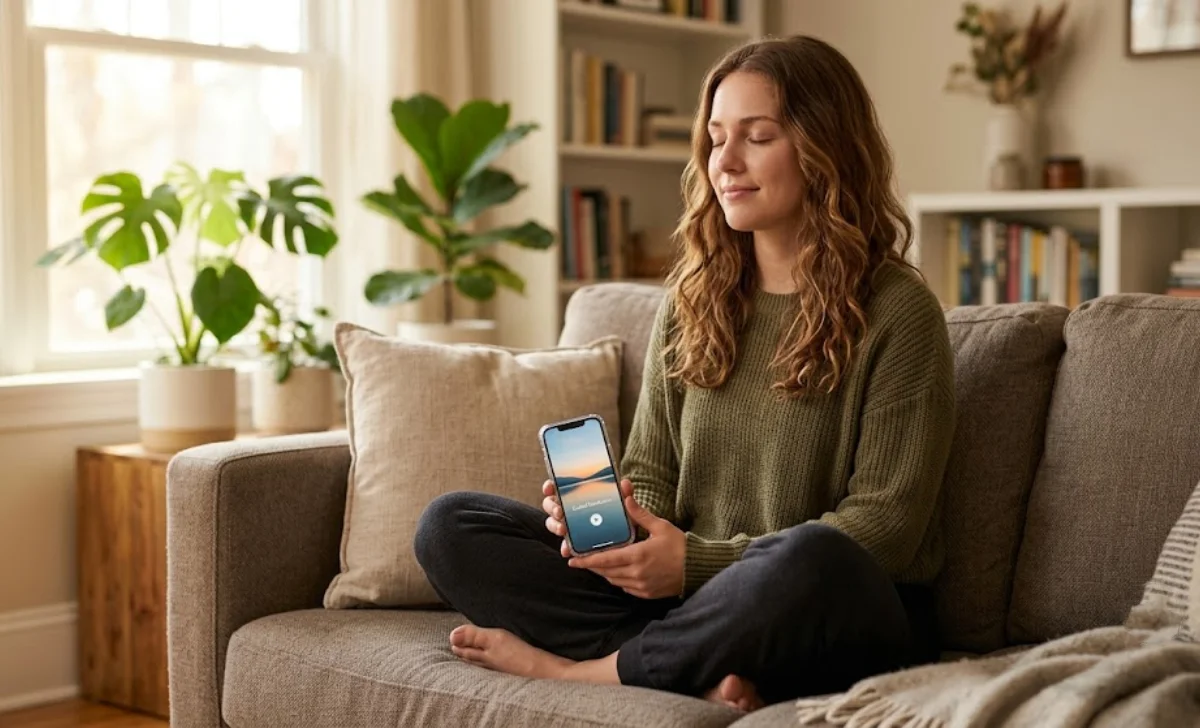
You open a meditation app during a stressful afternoon, unsure if three minutes of breathing will actually help. Apps like Calm and Headspace use guided audio to slow your breathing.
This isn’t just a feel-good gimmick. It’s based on real physiology, not vague promises.
When you breathe slowly, your body triggers what’s called the relaxation response. Many apps also use cognitive behavioral therapy techniques, helping you notice anxious thoughts before they spiral.
Stress management tools like these give you a private space to practice without judgment. With consistent use, mood tracking can show you patterns you’d never notice alone.
You might realize your anxiety spikes every Sunday night or eases after a short walk. That kind of awareness is the first step toward lasting emotional resilience.
Unlike a single therapy session, these apps stay quietly available any time anxiety strikes, even at 2 a.m. That constant access alone removes a major obstacle to getting support.
The Science Behind Technology’s Positive Impact on Your Brain
Heart rate variability sounds technical, but it’s simply a measure of how well your body recovers from stress. Wearables track this number quietly in the background.
Think of heart rate variability training like building a muscle. The more you practice slow breathing, the more flexible your stress response becomes over time.
This is neuroplasticity in action. Your brain literally rewires itself through repeated, gentle practice, not overnight effort.
Biofeedback tools take this further by showing you your own data in real time. Seeing your heart rate drop as you breathe slowly proves the exercise is working.
Understanding the “why” behind these tools makes you more likely to stick with them. Once you see the biology, mindfulness stops feeling abstract and starts feeling practical.
How Has Telemedicine Changed Your Access to Healthcare and Peace of Mind?
You’re curled up on your couch with a sore throat, dreading a drive to a crowded clinic. Instead, you open a video call and speak to a doctor in fifteen minutes.
Telemedicine has quietly removed one of healthcare’s biggest barriers: time. Research comparing virtual visits to in-person care often shows similar outcomes for common conditions.
Platforms like BetterHelp have made online therapy normal rather than a last resort. Distance and stigma matter far less when help is just a click away.
This accessible healthcare model gives you something just as valuable as treatment. Knowing support is reachable, even at midnight, lowers the background anxiety many people carry.
You also save on travel time, missed work, and waiting room exposure to illness. Those small savings add up to real, everyday relief.
What Role Does Sleep Technology Play in Your Nightly Recovery?
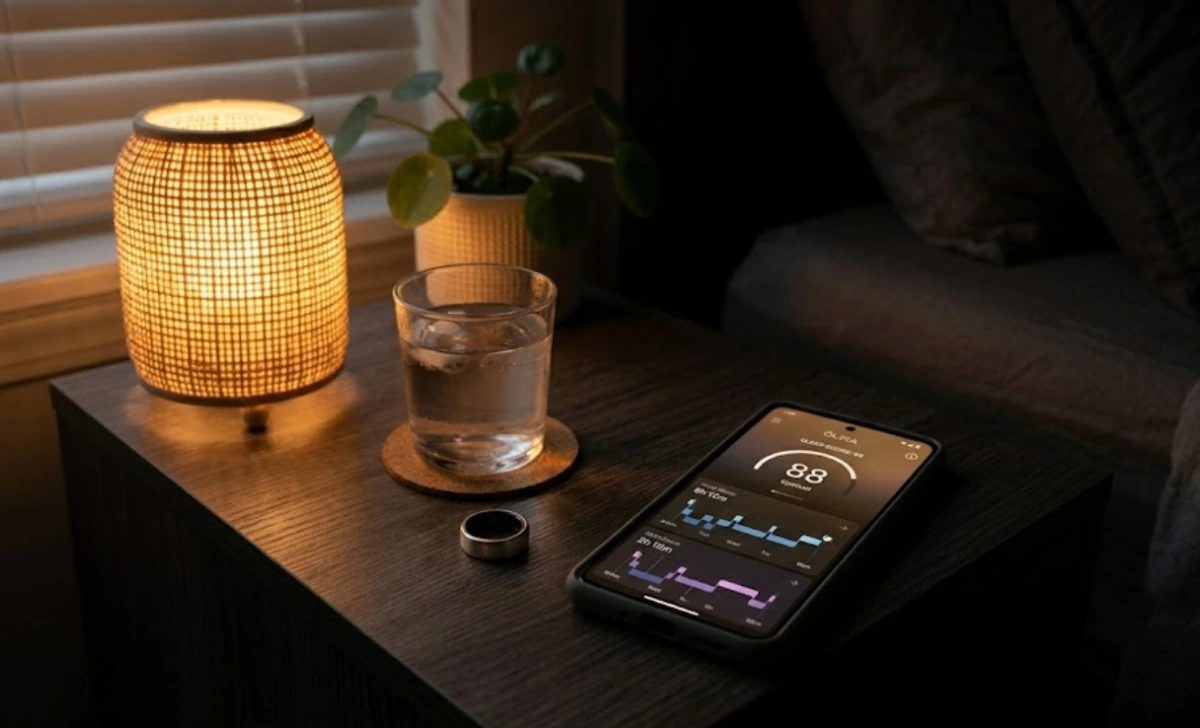
You wake up, check your sleep score, and instantly understand why yesterday’s late coffee left you groggy. Devices like the Oura Ring quietly record your movement and heart rate through the night.
The data turns a vague feeling of tiredness into something you can actually see. This helps you make smarter choices, like moving your workout earlier.
If you struggle with morning eye puffiness after rough nights, your sleep patterns often reveal the real cause faster than guesswork ever could.
Consistent improvement doesn’t happen overnight, but tracking gives you a feedback loop. Over weeks, your deep sleep stretches longer and your morning energy feels steadier.
Some sleep tech even adjusts your bedroom’s temperature automatically, since cooler rooms generally support deeper rest. Small environmental tweaks like this often matter more than people expect.
How Can You Build a Mindfulness Habit Using Only Your Phone?
You already have your phone in your hand right now, which makes it the easiest mindfulness tool you own. Instead of adding a new task, you can stack a short meditation onto something you already do.
This is called habit stacking, and it removes the friction that usually kills new routines. Apps like Headspace and Calm offer three-minute sessions built for exactly this kind of micro-moment.
A simple breathing exercise before bed can shift your nervous system from alert to calm within minutes. You don’t need an hour of silence, just ninety seconds and a little consistency.
Within a few weeks, this tiny ritual can become as automatic as checking your messages. The habit sticks because it asks so little of you upfront.
Building a Balanced Digital Wellness Routine That Works for You
It’s fair to feel a little wary about adding more screen time to your life, even for wellness. The goal isn’t to fill every quiet moment with an app.
A simple boundary, like turning off notifications after eight o’clock, keeps your tools working for you instead of against you. On a quiet evening, treat yourself to a pamper-your-skin night with a warm bath, leaving your phone in another room entirely.
This kind of digital wellness balance actually strengthens the benefits you’ve already built. When technology has clear boundaries, it stays a helpful assistant rather than a constant background hum.
You might also try a short digital detox each weekend, stepping away from notifications entirely. This contrast helps you appreciate the tools more when you return to them.
How Do Online Communities and Social Tech Support Your Emotional Well-Being?
You join a virtual walking group, and suddenly your daily steps feel less like a chore and more like a shared goal. Fitness challenges and online support groups create accountability that’s hard to build alone.
Humans are wired for belonging, and shared goals trigger the same motivation centers as in-person friendship. Corporate wellness programs increasingly use this principle to boost morale alongside health.
The well-being boost from this kind of connection is measurable, not just emotional. People who feel part of a group tend to stick with healthy habits far longer than those going it alone.
Even a simple comment of encouragement from a stranger in your fitness app can boost your motivation for the rest of the week. Connection, it turns out, is its own form of medicine.
How Can You Choose the Right Wellness Tech Without Feeling Overwhelmed?
Standing in front of an app store with hundreds of wellness options can feel paralyzing. You don’t need every tool. You need the one or two that fit your actual life.
Ask yourself two simple questions: does this address a goal you already have, and can you realistically use it for five minutes a day? If the answer is yes to both, that’s your starting point.
Remember that the most expensive gadget isn’t always the most effective one. Often, a free app used consistently outperforms a premium device left untouched in a drawer.
Starting small isn’t a compromise. It’s the smartest strategy, and you’ll likely see real results before you even think about adding a second tool.
Technology isn’t the enemy of your wellness. It’s a quiet partner that, used with intention, can lift your mental, physical, and emotional health. You now have a roadmap for turning everyday devices into genuine wellness allies. You don’t need to overhaul your life overnight. Pick one small change from everything you just read, and let it gently reshape your day.