
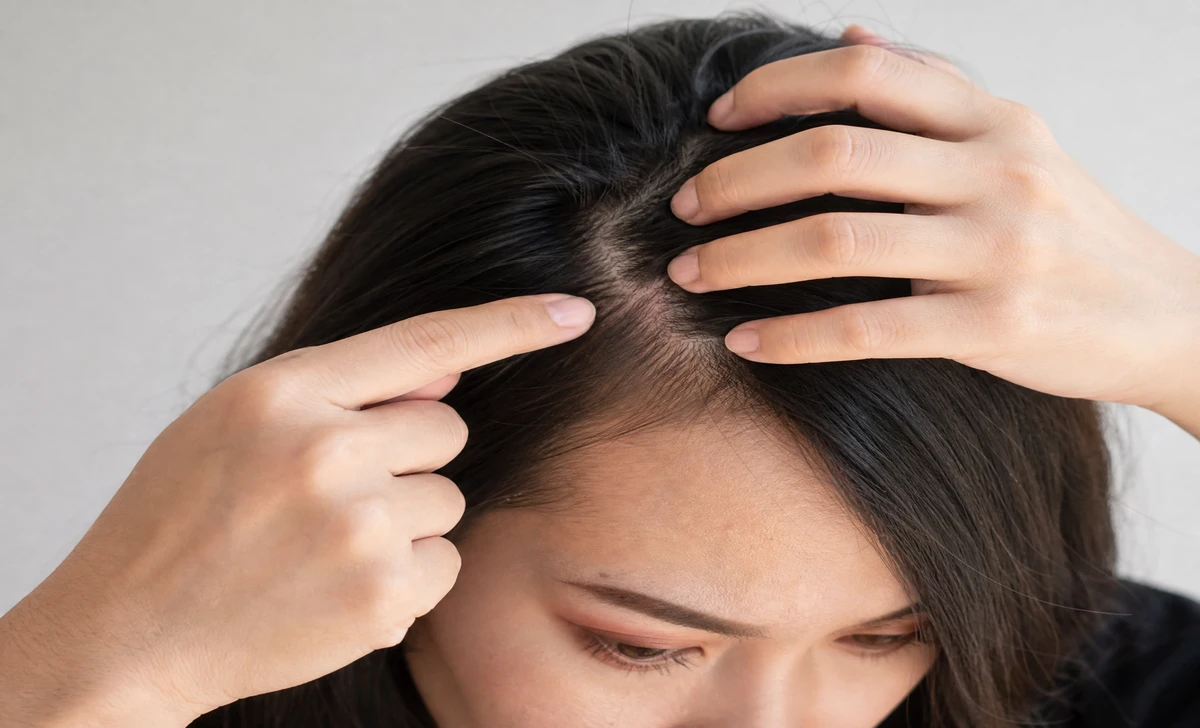
You’re brushing your hair or resting your head on a pillow when you notice it — one specific spot that feels sore and almost bruised. If your scalp tender in one spot, that small moment can be unsettling, but you are not alone. In the next few minutes, you will learn the six most likely reasons behind that sore spot, how to soothe it at home, and the signs that mean a doctor’s visit is the smart move.
What Does a Tender Spot on Your Scalp Feel Like?
You might notice a dull ache when you press on the area, almost like a small bruise hiding under your hair. Others describe it as a sharp, stinging pain that only flares when a brush passes over it.
Your scalp has so many nerve endings that even a tiny pimple can feel surprisingly painful. The exact quality of your tenderness is often a clue to what is going on beneath the surface.
Could a Pimple or Ingrown Hair Be the Culprit?
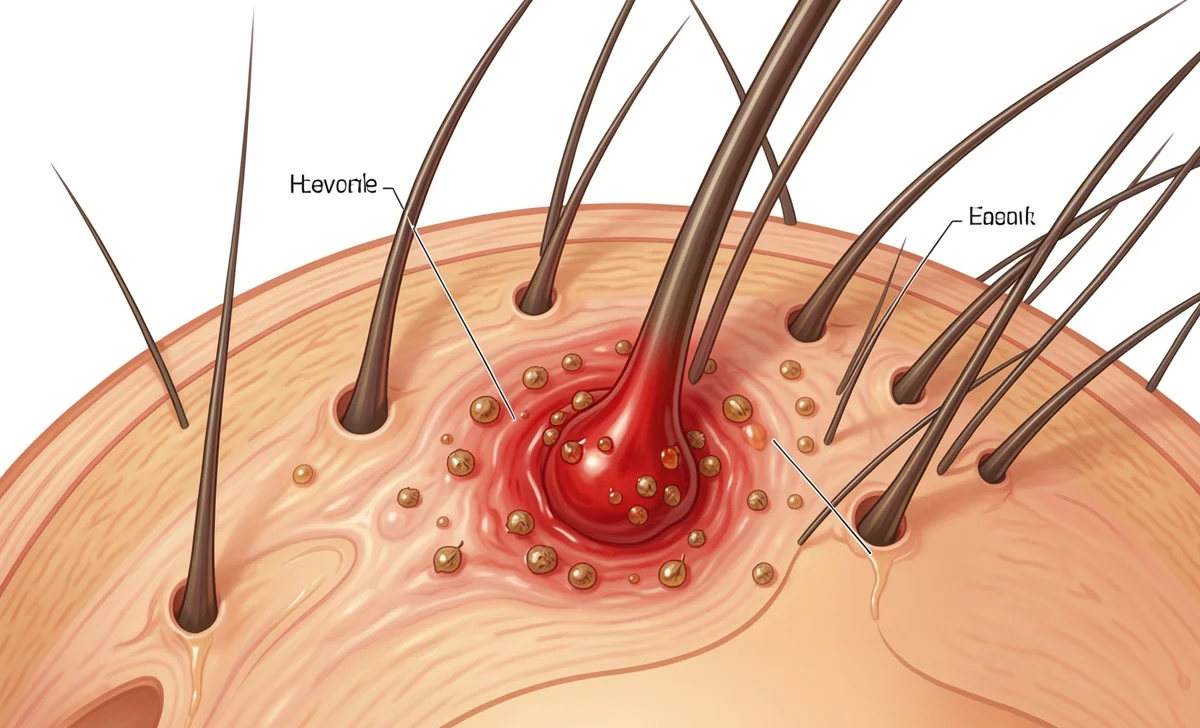
One of the most common reasons for a tender spot is a simple pimple or ingrown hair. Your scalp has countless hair follicles, and each one can become clogged with oil and dead skin cells. When a follicle gets blocked, it creates a small, red bump that feels tender to the touch. Many people dealing with skin purging or acne breakouts recognize this exact sensation on their scalp too.
A scalp pimple often hurts more than a facial one because the skin on your head is thicker, so inflammation has less room to expand. You may also notice a tiny whitehead at the center if bacteria have entered the follicle.
An ingrown hair causes similar discomfort, especially in people who shave their heads or wear tight hairstyles. In most cases, it resolves on its own within a few days if you keep the area clean and avoid picking at it.
Is That Tender Bump a Sebaceous Cyst?
If you feel a lump under the skin that is tender when pressed, a sebaceous cyst could be the explanation. These cysts form when a hair follicle becomes blocked, trapping a protein called keratin inside. Anyone curious about flat skin lesion removal will recognize how differently these deeper bumps behave compared to surface-level spots.
A sebaceous cyst often grows slowly and may not hurt at first. However, if it becomes inflamed, it will turn red, warm, and tender to the touch.
The key difference from a pimple is the deeper, more defined lump that can linger for weeks. Avoid squeezing it at home — this pushes the contents deeper and causes more pain. A doctor can drain it safely if it becomes persistently sore.
Can a Tension Headache Cause a Sore Spot on Your Scalp?
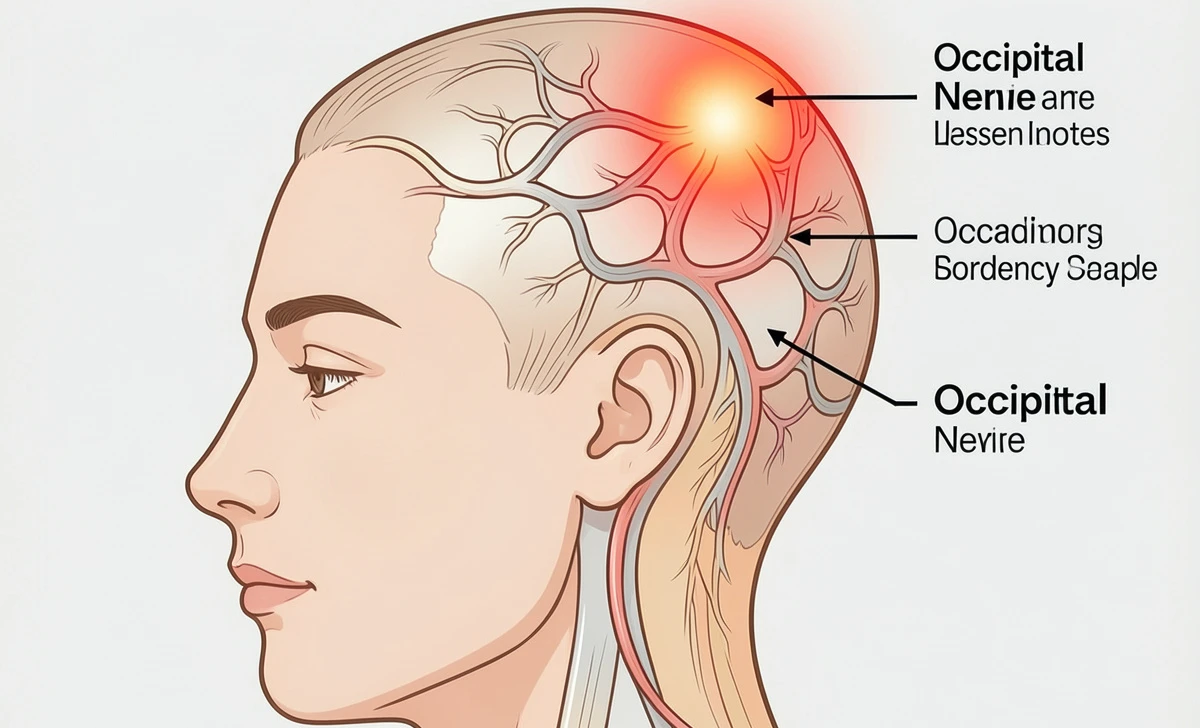
What if you feel tenderness but cannot see or feel a bump at all? A tension headache might be behind it. When the muscles in your neck and scalp tighten, they form small knots called trigger points that send pain to one very specific location.
You might not even feel a traditional headache — the only sign could be a tender area at the back of your head, almost like a tiny bruise. This sensation often flares after a long day of stress, screen time, or poor posture.
A related cause is occipital neuralgia, where the nerves running from your spinal cord through your scalp become irritated. The pain can feel like a sharp, electric jolt or a deep ache, often behind the ear or on the crown. Relief usually comes from gentle neck stretches and warm compresses.
Did Your Hair Products Trigger a Reaction?
Your shampoo, conditioner, or styling products could also be to blame. The scalp is sensitive skin and can react to fragrances, preservatives, or certain detergents — a condition called contact dermatitis. It appears as a localized red, itchy, and tender patch.
You might notice the sore spot shortly after trying a new product. The area may feel slightly rough or flaky, and discomfort often intensifies when you wash or touch it.
Tight hairstyles that pull on the same spot every day can cause a similar irritation over time. Most product-related tenderness fades within a few days once the irritant is removed from your routine.
Could It Be an Infection Like Folliculitis or Even Shingles?
Folliculitis happens when bacteria enter a hair follicle and cause inflammation. The result is a red, tender bump that may have a pus-filled center and feel larger than a typical pimple. Mild cases often clear with warm compresses and good hygiene, but spreading or oozing spots need a doctor’s attention.
Shingles can also cause a tender scalp spot before any rash appears. The virus reactivates in a nerve and produces a burning or bruised sensation in a localized patch of skin, with a blistering rash typically following within a few days.
If you are over 50 or have a weakened immune system, shingles is worth keeping in mind. Any spot that worsens rapidly or comes with fever or fluid discharge needs professional evaluation.
How to Soothe a Tender Spot at Home
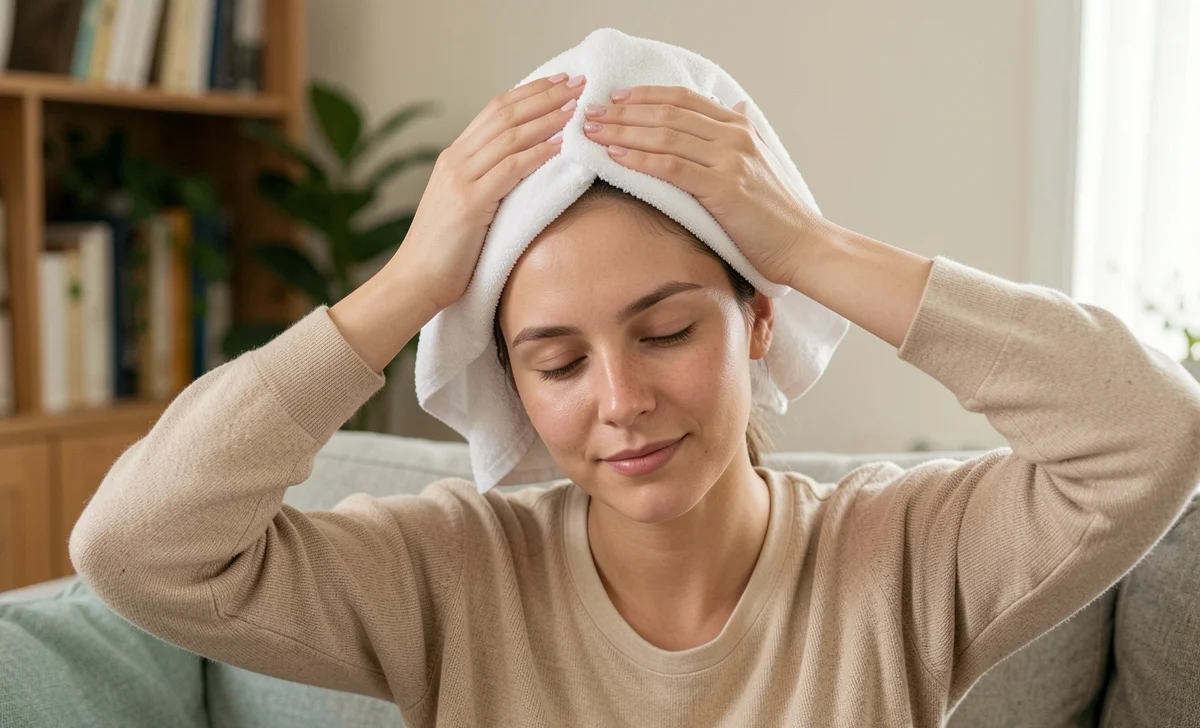
Start with a warm compress applied to the area for ten minutes, two or three times a day. The warmth encourages blood flow, helps drain a pimple or cyst, and relaxes tight scalp muscles at the same time.
If the discomfort is linked to a pimple or mild folliculitis, a gentle medicated shampoo with tea tree oil or salicylic acid can keep the follicle clear. For tension-related tenderness, try gentle neck stretches and massaging the muscles at the base of your skull.
Over-the-counter pain relievers like acetaminophen or ibuprofen can ease soreness while your body heals. For product-related irritation, switch to a fragrance-free shampoo and give your scalp a break from heavy styling products.
When Should You Worry About a Tender Spot on Your Head?
Most of the time, a tender spot on your scalp is not a cause for alarm. Pay attention if the pain gets noticeably worse day after day instead of slowly improving.
A spot that expands, becomes very warm, or oozes yellow or green fluid could signal a bacterial infection that needs antibiotics. Fever, chills, or swollen lymph nodes alongside tenderness mean you should seek medical care promptly.
You should also see a doctor if the spot stays painful and unhealed after one to two weeks. Neurological symptoms like vision changes or numbness alongside scalp pain require urgent evaluation. Trust your intuition — if something feels wrong, a quick check brings real peace of mind.
How Can You Prevent Future Scalp Tenderness?
Prevention comes down to gentle, consistent scalp care. Use a mild shampoo that suits your skin type and avoid heavy products that can clog follicles. Vary your hairstyles and avoid tight ponytails or braids that pull at the same spot every day. Learning how to glow up your skin and scalp with simple daily habits can make a noticeable difference over time.
Stress management also plays a quiet but powerful role. Regular neck stretches, adequate sleep, and staying hydrated reduce how often you experience tension-related soreness.
Adding a gentle DIY scalp and body scrub to your weekly routine helps remove buildup around hair follicles and lowers the chance of recurring tender spots.
FAQs
Can a tender scalp spot be skin cancer?
It is extremely rare for a single tender spot to be skin cancer. However, any non-healing sore that persists for weeks, bleeds, or changes shape should be examined by a doctor quickly.
How long does a tender spot on the scalp usually last?
A pimple or minor irritation often fades within three to seven days. A cyst may take several weeks, while tension-related tenderness can fluctuate with your stress and posture levels.
Can wearing a hat or helmet cause a tender spot?
Yes, constant pressure or friction from headwear can irritate a specific area of the scalp. Switching to a looser fit or adding a breathable liner usually solves the problem.
Is it normal for the tenderness to come and go?
Absolutely, especially when the cause is muscle tension or mild nerve irritation. Intermittent tenderness that varies in intensity is usually not a sign of anything dangerous.
Conclusion
A single tender spot on your scalp is almost always something minor — a pimple, a tight muscle, or a reaction to a product. You now have a clear framework to understand what you are feeling and how to care for it at home. Pay attention to the red flags, but let reassurance guide you because most causes are temporary and treatable.
Trust yourself and the knowledge you have gained today. Listening to your body is one of the most caring things you can do.