
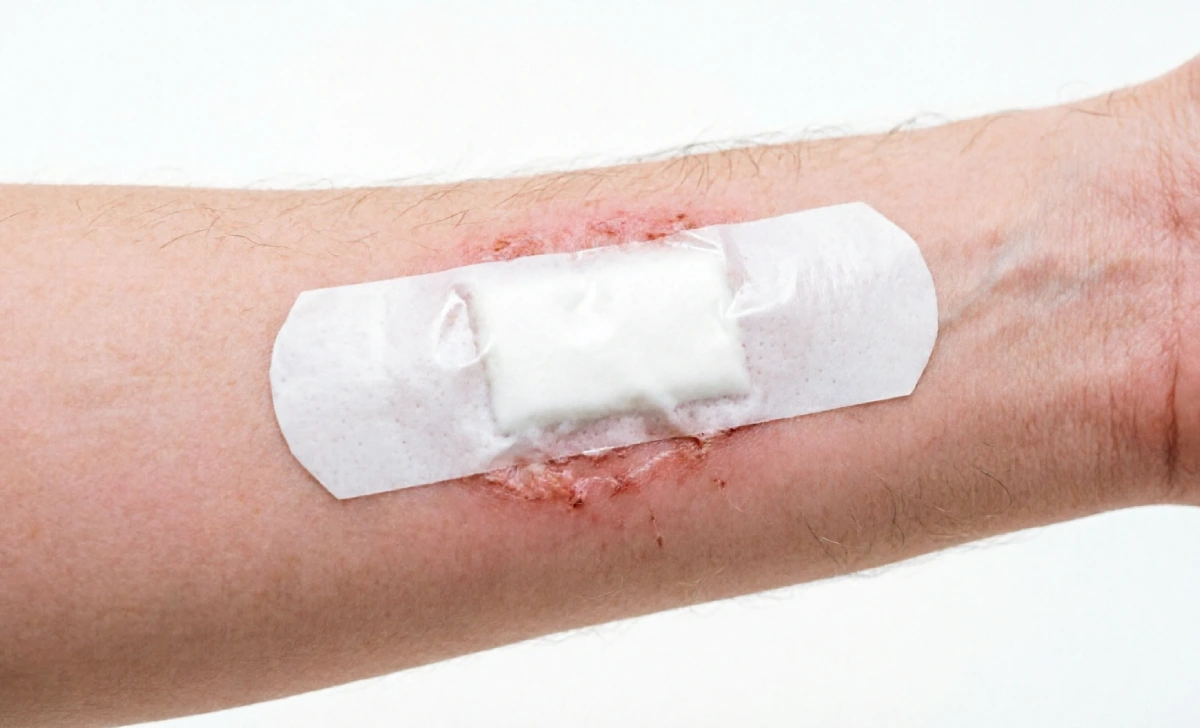
You have just come home after having a mole removed, and now you are staring at the small wound, wondering if everything looks right. Understanding the mole removal healing stages from day one — whether you had a shave removal or a deeper excision — makes all the difference. Whether you had a shave removal or a deeper excision, this guide on flat mole removal walks you through every stage so you always know what to do next.
What Happens in the First 24 Hours After Mole Removal?
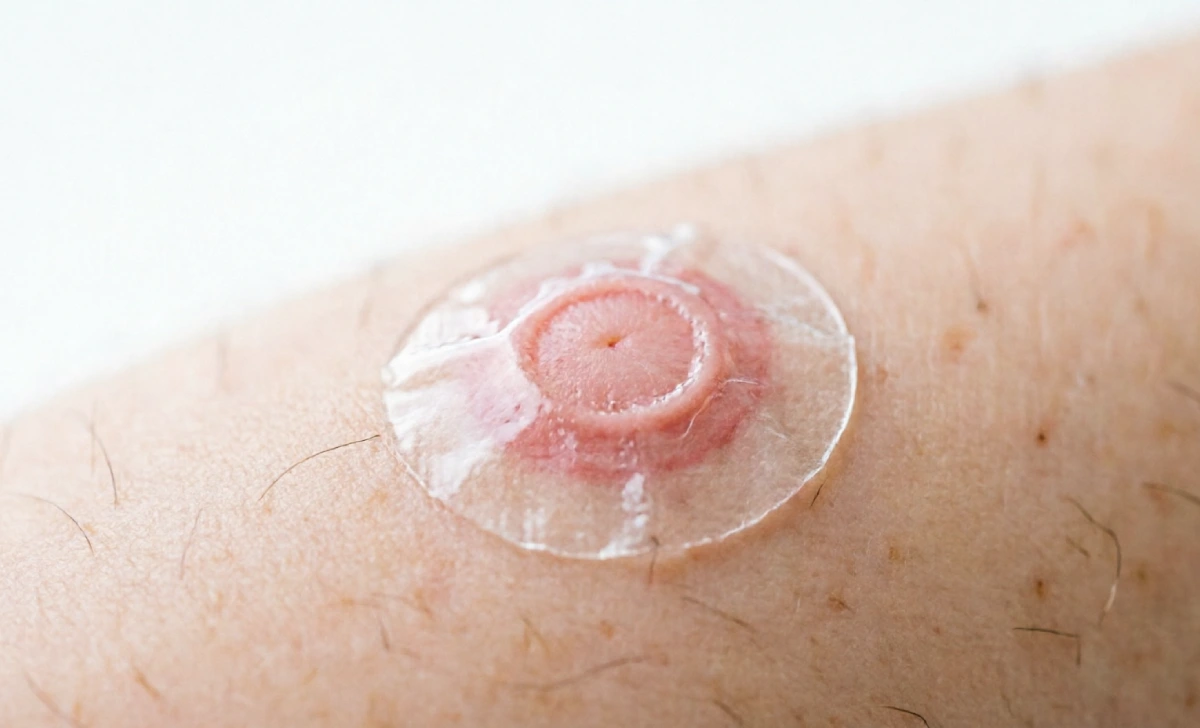
Right after the numbing wears off, the area might look pink, feel warm, or show a small dot of dried blood on the dressing. This is your body’s inflammation response starting, and it is completely expected.
Your dermatologist will have placed a bandage over the site. Keep that first dressing dry and in place for the time they advised, usually around twenty-four hours. When you remove it, you might see a shallow dent or a thin line with stitches, depending on how the mole was removed.
If you were told to clean the area, use only sterile saline or a mild, fragrance-free cleanser and pat it dry with clean gauze. Then apply a thin layer of plain petroleum jelly like Vaseline to keep the wound moist before covering it with a fresh bandage.
Day Two to Day Four: How Does the Scab Form and What Should It Look Like?
Under a layer of ointment, a scab does not always look dry and dark. Instead, you get a moist, gel-like covering that many dermatologists consider the ideal healing environment. This soft, whitish-yellow film often causes unnecessary worry, but it is a normal part of the process.
Your body is sending collagen and clotting factors to seal the opening. The Vaseline or Aquaphor you apply creates a protective barrier, keeping the natural fibrin mesh soft and flexible. This directly contradicts the old advice to let a wound air dry into a hard scab.
Never try to scrub the soft film away or pick at it. Continue cleansing gently once or twice a day and reapplying that thin ointment layer before covering the area.
Day Five to Day Ten: When Will the Scab Naturally Fall Off?
Between days five and ten, the soft scab will start to loosen at the edges and eventually detach on its own. You might see it slide off during a gentle cleansing, or it may simply disappear as the ointment slowly dissolves it.
Underneath, the skin will look pink or reddish and may feel slightly firm or indented. This new layer is called the epithelium, and it is still fragile. Continue with a bland ointment and a clean dressing until the surface is completely smooth.
If the scab comes off early due to accidental rubbing, just clean the area with saline, apply a dab of Vaseline, and keep it covered. Your body will quickly form a new protective layer.
Shave Removal vs. Excision with Stitches: How Does Healing Differ?
A shave removal creates a shallow, pink raw spot that heals from the base up, much like a scraped knee. The scab may be broader and thinner, and you are more likely to end up with a flat or slightly indented scar over time. Staying consistent with ointment matters even more here because no stitches are holding the edges together.
An excision with stitches brings the skin edges tightly together, forming a thin line that might be slightly raised at first. You might have absorbable stitches under the skin or sutures that need removal in one to two weeks. Avoiding tension in the area is especially important, so heavy stretching and lifting should be paused.
The Ugly Duckling Phase: Why Does Your Healing Wound Look Worse Before It Gets Better?
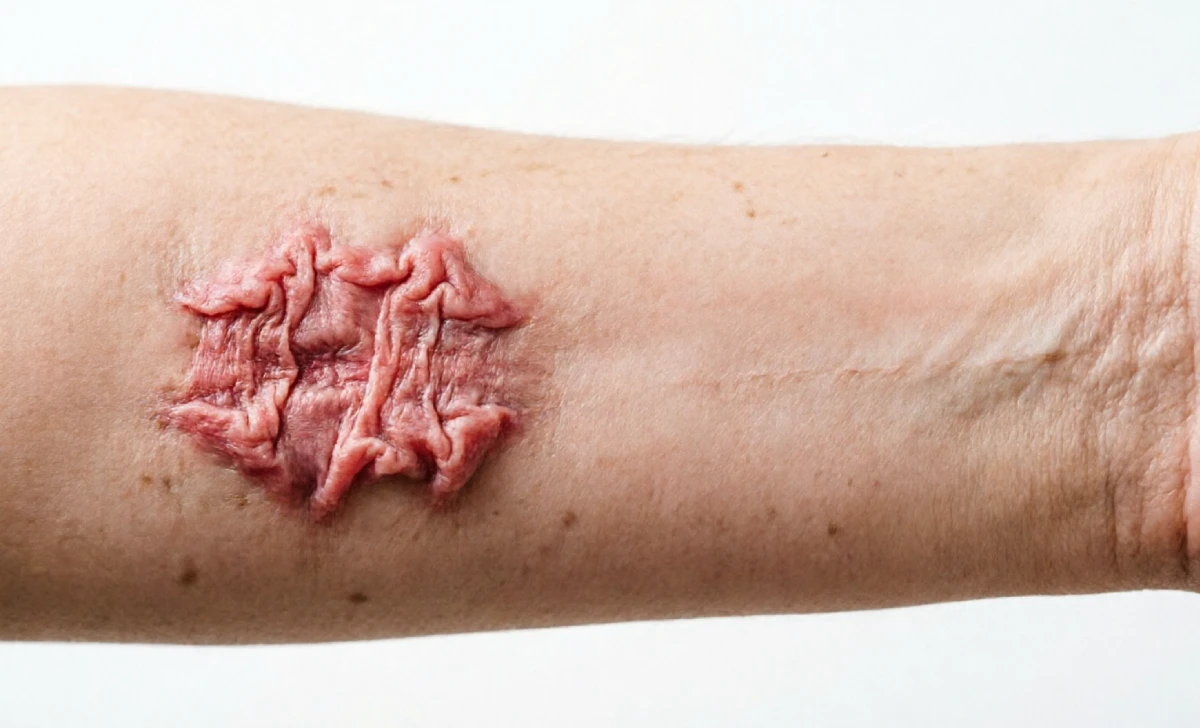
Between weeks two and four, the new skin often appears raised, red, or puckered. Many patients fear they have ruined the area, but this phase is entirely normal and has a clear biological reason behind it.
Your body is filling the wound with strong, fresh collagen, and this can temporarily make the area look thick or uneven. This is not the permanent outcome. It is the middle chapter of a very normal story, and almost every well-healed scar passes through it.
Keeping the area moisturized and starting gentle scar massage only when your dermatologist gives the go-ahead will help guide this phase toward a flatter, calmer result.
How to Keep the Wound Clean Without Disrupting Healing
Many people overclean a healing mole removal site out of fear of infection. You do not need strong antiseptics, scrubbing, or multiple daily washings. Too much cleaning can actually wash away the delicate new cells trying to bridge the wound.
Wash your hands, then use sterile saline or a gentle fragrance-free cleanser with clean gauze. Lightly dab the area and pat it completely dry. Immediately after, apply a thin smear of plain petroleum jelly and cover with a fresh bandage. Once or twice daily is enough.
When Can You Safely Apply Scar Cream or Silicone Gel?
You must wait until the wound is fully closed before starting any scar product. That means no scabs, no oozing, and no raw spots anywhere on the surface. Starting silicone gel while the skin is still open can trap bacteria and cause infection.
Once the skin is smooth and dry, silicone gel or silicone sheeting becomes your best tool for keeping the scar flat and fading. Silicone works by creating a breathable, hydrating barrier that signals the collagen underneath to stop overproducing. A basic medical-grade silicone product applied consistently will gradually produce a thinner, paler line.
The Complete Scar Maturation Timeline: What Happens from Week Four to One Year?
Around week four, you will likely still see a pink or red mark that feels a little firm. Over the next two to three months, the colour slowly fades, and the firmness softens as collagen fibres reorganize. By six months, many scars are noticeably flatter and lighter.
Between nine and twelve months, most scars settle into their permanent appearance. If you want to look younger with less visible scarring long-term, this is the window where daily sunscreen and gentle scar massage make the most lasting difference. Zinc oxide or titanium dioxide mineral sunscreen applied every morning is the single most important habit you can build.
Sun Exposure and a Healing Mole Removal: Why Is This the Single Most Important Rule?
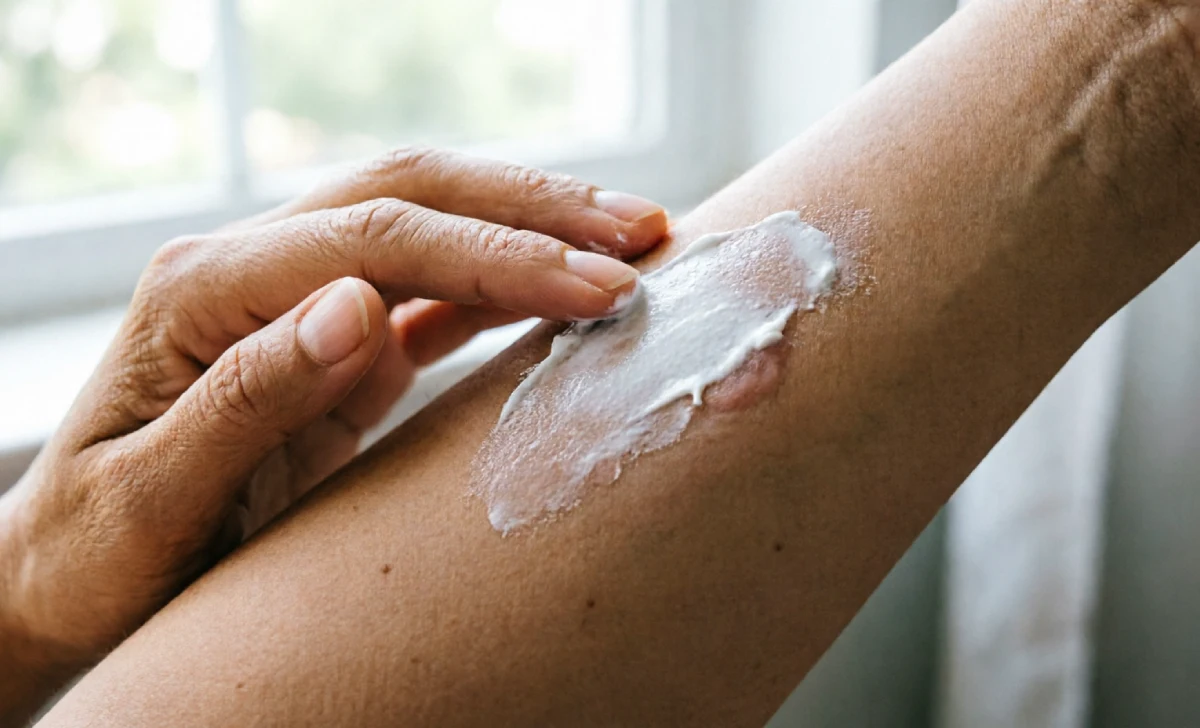
Freshly healed skin is extremely vulnerable to ultraviolet light. Even a few minutes of unprotected sun exposure can trigger post-inflammatory hyperpigmentation, turning your scar a stubborn brown that may linger for years.
If you have worked to remove beauty marks or pigmented spots before, you already know how hard that brown discolouration is to shift. Apply a mineral sunscreen to the scar every single morning, reapply outdoors, and keep this habit going for a full year.
Is It Normal for My Mole Removal Site to Itch So Much?
Itching during healing is primarily caused by histamine release and the regrowth of tiny nerve endings in the skin. This is one of the most reliable signs that everything is going well, even though it feels deeply uncomfortable.
You should not scratch it. Press a cool, clean cloth gently over the area instead. If the itching becomes intense, spreads far beyond the wound edges, or arrives with a burning feeling and an angry rash, contact your dermatologist, as that could signal an allergic reaction or early infection.
Warning Signs You Should Never Ignore After Mole Removal
Spreading redness that moves away from the wound and feels warm to the touch is not the same as the small pink rim that stays close to the edges. Watch also for thick yellow or green drainage, a foul smell, or pain that worsens day by day rather than improving.
A fever or chills alongside any of these symptoms is a clear signal to seek medical attention right away. Call your dermatologist promptly rather than waiting. Treating an infection early prevents it from interfering with your final scar result.
When Can You Exercise, Swim, or Sweat After Mole Removal?
Light walking and gentle movement are generally fine early on. Anything that makes you sweat heavily should wait until the wound is fully closed and the skin feels sturdy. Sweat is not sterile and raises the risk of irritation inside a healing wound.
Swimming, hot tubs, and baths are especially risky because water can soften healing tissue and introduce bacteria. For an excision with stitches, avoid stretching or pulling at the area for at least two weeks. Ask your dermatologist for their specific clearance timeline before returning to heavy exercise.
Final Aftercare Summary and Your Healing Checklist
Keep the wound clean with gentle products, keep it moist with a bland ointment, never pick at any scab, and shield it from the sun every single day. That is the complete formula, and it works.
The middle stretch, where things look worse before they look better, is not a setback. Trust the timeline, stick with the simple habits, and let your body do what it is built to do.
FAQs
Is it safe to use vitamin E oil on a healing mole removal site?
Most dermatologists advise against vitamin E oil on a fresh scar. Research has not proven it helps with scar appearance, and in some people it causes contact dermatitis. Plain petroleum jelly or silicone gel is a safer, evidence-backed choice.
Why does my healed mole removal site still feel tender months later?
Deep under the visible skin, nerves and collagen continue to remodel for many months. This can cause lingering tenderness or a slightly firm knot that is completely normal. Gentle scar massage once the skin is fully healed often helps this sensation fade.
Can a mole grow back after removal?
A few mole cells can remain after a shave removal, causing a small patch of pigment to reappear within the scar months later. This is often benign, but always have any new pigmentation examined by your dermatologist to rule out atypical cell recurrence.
How do I manage healing if I know I form keloids?
Let your dermatologist know before the procedure. After healing, they may recommend early silicone sheeting or a small corticosteroid injection. If you also use active ingredients like retinol nearby, read about skin purging so you can tell the difference between a reaction and normal healing.
Conclusion
Mole removal healing follows a predictable, slow, and forgiving path. The things that look alarming are often signs that your skin is doing its job. With gentle cleansing, a simple ointment, daily sunscreen, and patience, you can guide this process toward a scar that fades quietly into the background. Reach out to your dermatologist any time something feels off.