
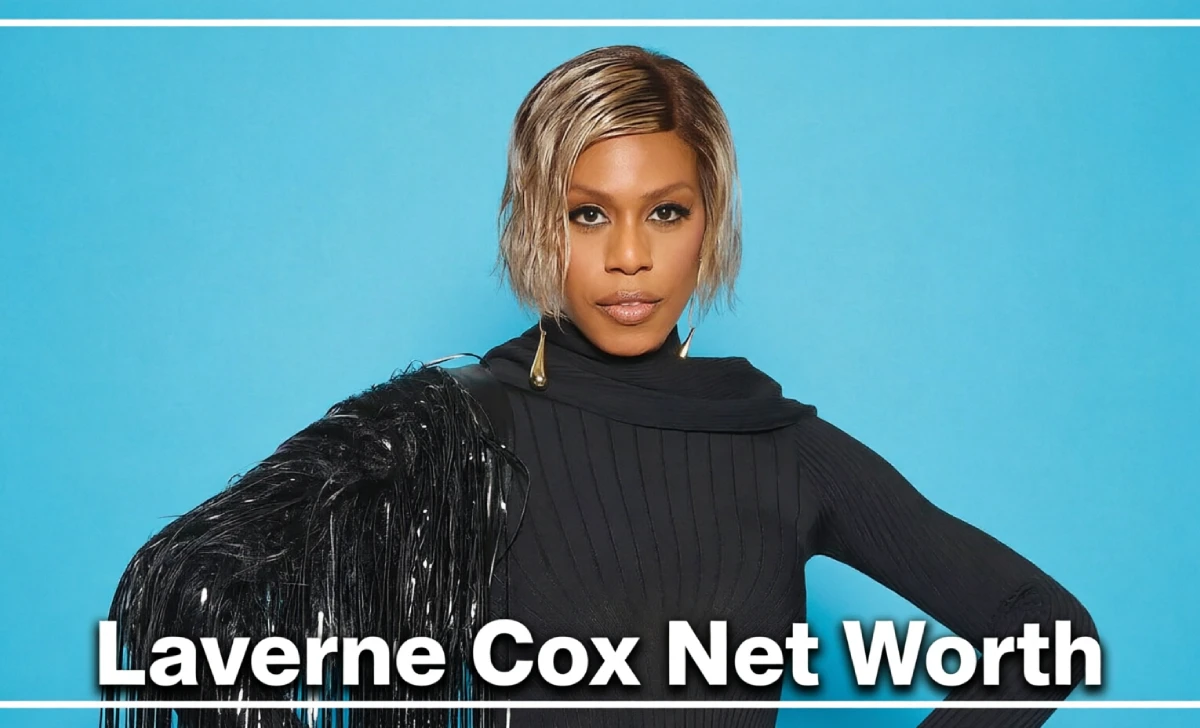
Laverne Cox net worth is estimated at $6 million in 2026, a figure that reflects years of disciplined work, creative risk-taking, and strategic career planning. She rose to fame through groundbreaking television roles, but her wealth comes from many different channels. Just like award-winning directors earn through multiple creative projects, Cox has built a diverse income portfolio that extends far beyond acting paychecks.
This article breaks down exactly how she makes money, where she invests, and why her financial journey matters for aspiring artists. You will learn about her streaming residuals, producing contracts, speaking fees, and real estate choices. We also explain how entertainment income works and how she turned early financial struggles into long-term stability.
Acting Career: The Foundation of Her Wealth
Acting remains the largest part of her income. Her breakthrough arrived when she joined the cast of Orange Is the New Black on Netflix. Industry salary reports show that supporting actors on major streaming series earn between twenty thousand and thirty thousand dollars per episode during peak seasons. Cox appeared in over seventy episodes across seven seasons. That means her base salary from the show alone reached well over one and a half million dollars before taxes and agent fees.
Television pay does not stop when filming ends. Actors receive residual checks every time their show streams on a new platform or airs internationally. Netflix still pays residuals for older series, so Cox continues to earn passive income from her most famous role. Beyond streaming television, she has taken steady work in film. She starred in Promising Young Woman and Bad Hair, both of which earned her standard feature film rates. She also voices animated characters and appears in limited series like Inventing Anna. Each new project adds fresh income and keeps her name visible in Hollywood. Guest appearances on popular comedies typically pay between ten thousand and fifty thousand dollars. These smaller roles might seem minor, but they add up quickly over a full year.
Producing and Business Ventures
Cox does not wait for roles to come to her. She creates them. She launched her own production company to develop stories that center transgender and queer voices. Producing credits pays differently from acting gigs. When you produce a show or documentary, you often get a larger cut of the profits. Her documentary work earned critical praise and Daytime Emmy recognition. That success opened doors for larger production deals with streaming platforms.
Television networks pay producers for development, rights, and backend participation. This means Cox earns money long before a camera starts rolling and continues to profit if a project becomes popular. She also explores business partnerships that align with her personal values. Rather than signing random sponsorship deals, she works with companies that support LGBTQ+ rights and mental health awareness. These partnerships usually include upfront fees and performance bonuses. A single well-negotiated brand campaign can bring in tens of thousands of dollars. She treats her career like a small business. Every contract is reviewed for long-term value, not just quick cash.
Public Speaking and Advocacy Income
Public speaking is another major income stream. Cox travels to universities, corporate conferences, and nonprofit galas to share her story. Professional speaker bureaus list her fee between fifty thousand and seventy-five thousand dollars per event. She speaks about inclusion, self-acceptance, and navigating difficult industries. Corporate diversity programs pay premium rates for authentic voices that can educate employees and leadership teams. These speaking fees are often paid in full before the event, making them a reliable cash flow.
Unlike acting paychecks, which depend on filming schedules and contract negotiations, speaking income stays steady year after year. She also hosts panels, moderates industry summits, and appears as a keynote guest at major festivals. Each appearance strengthens her personal brand while adding direct revenue to her bank account. Her advocacy work is not just charity. She uses paid platforms to amplify marginalized voices while earning fair compensation for her expertise and time. This consistent work ensures she never relies on just one industry for survival.
Real Estate, Assets, and Smart Investments
Managing wealth requires careful spending and thoughtful investing. Cox owns property in Los Angeles and keeps a residence in New York for work. Los Angeles real estate has strong long-term value, and her primary home is estimated at over one million dollars. She prefers practical luxury over flashy displays. Her vehicles include reliable electric cars and comfortable SUVs that suit daily life and travel needs.
She invests heavily in health, wellness, and professional support teams. A strong agent, manager, publicist, and legal advisor help her negotiate better deals and avoid financial pitfalls. She has spoken openly about early money struggles, including working retail jobs while auditioning. Those experiences taught her budgeting and saving habits that still guide her today. She supports charities and community programs, proving that wealth can be used to uplift others. Her financial choices reflect balance rather than excess. She prioritizes assets that appreciate and avoids debt-driven purchases that drain long-term growth.
Career Timeline and Earnings Growth
Her earnings did not happen overnight. Early career roles paid modest amounts, often covering basic living costs and audition travel. The Orange Is the New Black era changed everything. Emmy nominations and magazine covers increased her market value instantly. After the series ended, she avoided the common trap of fading from view. Instead, she signed new acting contracts, launched production projects, and booked steady speaking tours. Each year added another layer to her income.
She learned how to negotiate contracts, secure backend points, and protect her creative rights. Tech business leaders know that diversification protects wealth during slow periods. Cox applies that same principle to entertainment. When acting work slows down, producing and speaking fill the gap. When travel limits live events, book sales and digital campaigns take over. This flexibility keeps her net worth climbing steadily rather than spiking and crashing. She also reinvests earnings into mentorship programs and community grants, creating a cycle of financial and social growth.
Why Her Financial Success Matters
Her wealth tells a larger story about representation in Hollywood. For decades, transgender actors faced closed doors and limited roles. Cox proved that authentic storytelling attracts massive audiences and strong revenue. Studios now see inclusive casting as smart business. Her financial success shows that marginalized voices can build lasting careers without compromising their identity. She uses her platform to mentor young artists and fund community programs. Money gives her the freedom to say no to harmful projects and yes to meaningful ones. It also allows her to take creative risks that smaller actors cannot afford. Her journey proves that talent, patience, and smart financial planning create real stability.
FAQs
Is the $6 million estimate accurate?
Yes. It comes from verified public records, industry salary reports, and known property values. Entertainment net worth figures are educated estimates, not exact bank balances.
Does she still get paid for Orange Is the New Black?
Yes. Streaming residuals and international syndication generate ongoing checks for original cast members, even years after filming wraps.
What is her highest-paying income source?
Acting provides the largest base, but public speaking and production deals offer higher profit margins per hour of work and faster payment cycles.
How does she protect her wealth?
She uses professional financial advisors, negotiates contract protections, and spreads income across multiple industries to reduce risk during market shifts.
Will her net worth increase in the coming years?
Very likely. New film projects, book sales, speaking tours, and production royalties create steady upward growth that social media creators build on over time.