
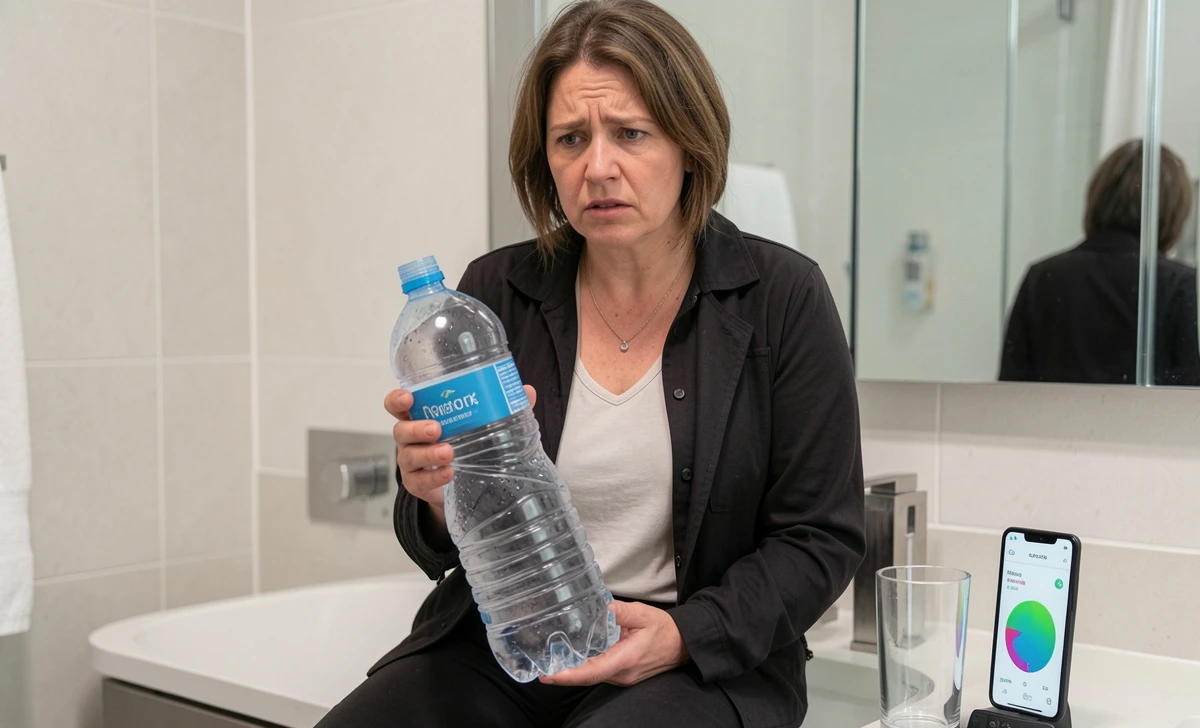
You grab another glass. Then another. You’re hitting your ‘daily goal.’ But now your head’s pounding, your stomach feels off, and you’re running to the bathroom every 20 minutes. Sound familiar? You might be dealing with overhydration signs in adults — and no, it’s not just a ‘you’ problem. Learning about drinking too much helps you spot the line before you cross it.
We’ve all heard “drink more water” on repeat. But nobody talks about what happens when you take that advice too far. Here’s the real deal: hydration isn’t a contest. And pushing past your body’s limits can actually make you feel worse, not better. Let’s break down what to watch for, why it happens, and how to hydrate smart — without the guesswork.
Can You Really Die from Drinking Too Much Water?
Short answer: yes, but it’s rare. The scary headlines you see usually involve extreme situations — like endurance athletes, military training, or people using substances that mess with kidney function. When someone forces down several liters in under an hour, sodium levels in the blood can crash. That’s not just uncomfortable. It’s dangerous.
You won’t get there from sipping water at your desk. The risk shows up when people ignore thirst cues and treat hydration like a speed challenge. Knowing this isn’t about scaring you. It’s about respecting your body’s natural limits.
7 Early Signs of Overhydration in Adults
Your body sends signals. You just have to catch them early. If you’ve been chugging aggressively and start feeling “off,” run through this quick mental checklist:
- Peeing constantly with totally clear output
- A dull, stubborn headache that won’t quit
- Nausea or queasiness right after drinking
- Muscle cramps or sudden weakness, especially in the legs
- Brain fog or confusion that feels totally unlike you
- Unexpected fatigue even after decent sleep
- Mild swelling in hands, feet, or ankles
You might blame stress, bad sleep, or a heavy lunch. But when these pop up alongside heavy water intake? That’s your cue to pause and reassess.
Is Clear Urine Always a Good Sign?
Not really. We’ve been sold the idea that crystal-clear pee = peak hydration. Truth is, completely transparent urine often means your kidneys are flushing out electrolytes just to keep up with the flood.
Think of it like overwatering a houseplant. The roots drown. Same idea here: you’re washing away the minerals your cells actually need to function. Aim for pale lemonade, not tap water. Anything darker? Grab a glass. Anything completely clear? Put the bottle down for a bit.
The 5-Minute Overhydration Self-Check (Your USP)
Not sure where you stand? Try this quick audit:
Light yellow urine + mild thirst → You’re good. Sip normally.
Clear urine + mild headache or nausea → Pause water for 1–2 hours. Eat a salty snack or electrolyte tab.
Confusion, vomiting, or noticeable swelling → Stop drinking. Seek medical advice if symptoms don’t ease within an hour.
Keep this in mind next time you’re tempted to “finish the bottle.” Your body isn’t a checklist.
How Fast Can Your Kidneys Process Water?
Here’s the part most hydration guides skip: your kidneys aren’t infinite. On average, they filter about 0.8 to 1 liter of water per hour. Push more than that through your system, and the excess just sits there, slowly diluting your blood.
I remember reading about a radio contest years ago where listeners competed to drink the most water. One person tragically lost her life. It’s an extreme case, sure — but it shows why pacing matters. You can’t out-drink your own biology. Spacing out your sips gives your organs room to work without throwing your chemistry off balance — especially during extreme heat hydration when sweat rates spike.
What Happens During Exercise?
Athletes get tripped up here all the time. When you sweat, you lose salt along with fluid. If you only replace the water and ignore the sodium, you’re setting yourself up for trouble. That’s why electrolyte drinks exist — they’re not just marketing. They replace what heavy sweating actually strips away.
Training for something intense? Don’t just gulp plain water every few minutes. Sip steadily. Monitor your sweat. And if your workout runs longer than 90 minutes, bring an electrolyte mix to the table. Your muscles and nerves depend on that balance.
Hyponatremia: The Medical Name for Water Intoxication
Doctors call it hyponatremia. It happens when blood sodium drops below 135 mmol/L because you’ve diluted it with too much fluid. Sounds technical, but the mechanism is simple: too much water, not enough salt. Your cells start absorbing extra fluid and swell. When that happens in the brain, there’s literally no extra space.
Most people won’t hit this point. Mild cases might just leave you feeling sluggish or nauseous. Severe cases need IV fluids and close monitoring. And watch out for misleading nutrition claims that push extreme hydration without context.
The takeaway? Balance beats brute force every time.
Safe Hydration Guidelines for Adults
Toss the old “eight glasses a day” rule. It never accounted for your size, climate, or activity level. Try this instead:
- Trust actual thirst. You’re not a houseplant on a timer.
- Match intake to your day. Hot weather or heavy sweat? Add a glass or two. Chilling indoors? You probably need less.
- Count food toward your total. Watermelon, cucumbers, soups, even coffee — they all contribute.
- Keep a small bottle nearby. Sip when you’re thirsty. Stop when you’re satisfied.
You don’t need an app to tell you when to drink. Your built-in gauge works fine — unless you keep overriding it.
When to See a Doctor
Most hydration hiccups resolve once you slow down and eat a salty snack. But some signals mean don’t wait it out. Reach out to a healthcare provider if you notice:
- Vomiting that won’t stop
- Severe confusion or disorientation
- Sudden swelling in multiple areas
- Muscle twitching or loss of consciousness
These aren’t “drink less water” fixes. They need professional evaluation — especially if you take diuretics, blood pressure meds, or have kidney or heart concerns. Better to get checked than to guess.
If you’re older, on certain medications, or naturally run low on salt, your kidneys won’t bounce back as fast. Don’t gamble with “wait and see.”
FAQs
Can drinking too much water cause long-term damage?
In rare, repeated cases, chronic overhydration can strain your kidneys and disrupt electrolyte balance over time. Most people recover quickly by adjusting habits, but pushing your limits daily isn’t worth the risk.
How do I know if I’m dehydrated or overhydrated?
Check your urine color and how you feel. Dehydration usually brings dark urine, dry mouth, and a faster heartbeat. Overhydration leads to totally clear pee, nausea, headache, and mild swelling. Symptoms can overlap — which is exactly why pacing your sips matters most.
Do medications affect how much water I should drink?
Absolutely. Diuretics, certain antidepressants, and blood pressure pills change how your body handles fluid. If you’re on prescription meds, ask your doctor about your safe daily limit before starting any aggressive hydration routine.
Is sparkling water just as hydrating as still water?
Yes. The bubbles don’t change absorption. They just sit heavier in your stomach, which might actually help you naturally slow down if you tend to overdo it. Paying attention to early warning signs in your body — whether from hydration or stress — keeps you ahead of problems.
Wrap It Up
Water is essential — but more isn’t automatically better. You’ve got to find that sweet spot where your body feels sharp without pushing your systems into overdrive. Watch the signs, pace your sips, and stop treating hydration like a daily competition.