

In this article
- What the New Study Actually Says About Meal Repetition & Gut Bacteria
- The 30-Plants-Per-Week Rule: What Counts & What Doesn’t
- Simple Ways to Add Variety to Gut-Healthy Meals (Even If You’re Busy)
- Meal Rotation Plan for Microbiome Diversity: A Beginner’s Framework
- Red Flags: When Meal Repetition Might Be Causing Digestive Issues
- Your 7-Day Jumpstart: Add 10 New Plants This Week
- FAQs
- Conclusion
You know that feeling when your gut just… feels off? Bloating after meals, low energy, or that nagging sense your digestion isn’t quite clicking? Understanding your gut health connection can help explain why small changes make a big difference. If you’ve been eating the same “healthy” meals on repeat—chicken, rice, broccoli, done—you might be missing a key piece of the puzzle: how many plants per week gut health actually needs matters more than you think.
Here’s the thing. A new study just dropped linking meal monotony to lower gut bacteria diversity. And it’s not about perfection. It’s about small, doable shifts. Let’s break down what the science says, what actually counts as a “plant,” and how to add variety without turning your kitchen into a chaos zone.
What the New Study Actually Says About Meal Repetition & Gut Bacteria
Researchers tracked adults who ate highly repetitive diets versus those who rotated foods regularly. The result? Less variety correlated with fewer types of beneficial gut bacteria. Not shocking, right? Your microbiome is like a bustling city. It needs different “workers” (bacterial strains) to keep things running smoothly. Feed it the same thing daily, and some of those workers clock out.
Does eating the same food reduce gut bacteria diversity?
Short answer: yes, over time. When you eat the same 5-10 foods on a loop, you’re essentially training your gut bacteria to specialize in just those. Other strains that thrive on different fibers, polyphenols, or resistant starches don’t get a chance to grow. It’s not that chicken and rice are “bad.” It’s that relying on them exclusively limits your microbial real estate.
Why your microbiome craves variety (not just “healthy” foods)
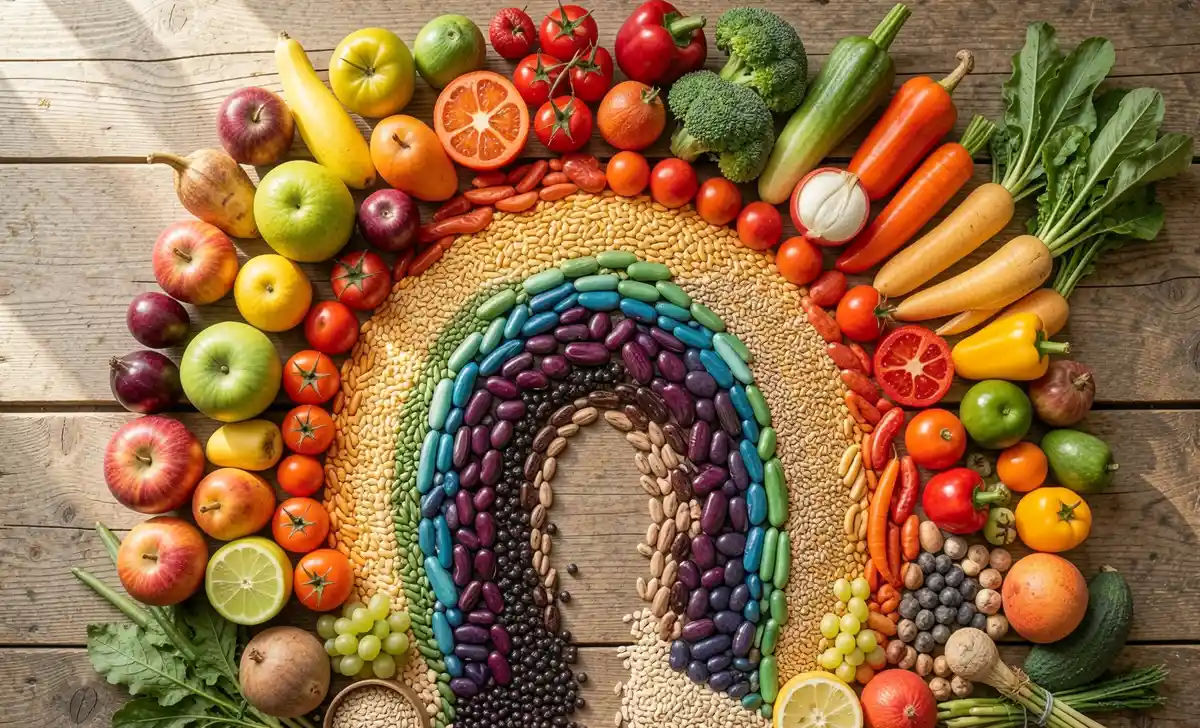
Think of your gut bacteria like a playlist. If you only ever listen to one genre, you miss out on the full experience. Same with food. An apple feeds different bacteria than oats, which feed different ones than lentils, which feed different ones than turmeric. Diversity isn’t about eating “more.” It’s about eating differently.
The 30-Plants-Per-Week Rule: What Counts & What Doesn’t
You’ve probably seen the “30 plants a week” trend floating around. It comes from the American Gut Project, which found that people who ate 30+ different plant types weekly had more diverse microbiomes. But wait—does that mean 30 full servings? Nope.
Herbs, spices, and “small” plants: Do they really count?
Yes! A sprig of rosemary, a dash of cinnamon, a handful of spinach, a few almonds—they all count. One study participant hit 30 by including: oats, banana, blueberries, chia seeds, almond butter, spinach, garlic, onion, basil, black pepper, lentils, carrots, celery, thyme, parsley, lemon, avocado, kale, chickpeas, cumin, tomato, cucumber, mint, walnuts, flaxseed, quinoa, broccoli, ginger, turmeric, and dark chocolate (cacao is a plant!). See? Totally doable.
Quick tracker: Log your weekly plant diversity (free printable)
Grab a notepad or use our simple [free printable tracker]. Each day, jot down every distinct plant you eat. Don’t overthink it. “Salad” isn’t one—it’s lettuce, tomato, cucumber, red onion, parsley. That’s five. By Friday, you might surprise yourself.
Simple Ways to Add Variety to Gut-Healthy Meals (Even If You’re Busy)
Let’s be real. You don’t have hours to prep exotic ingredients. Simple ways to add variety to gut-healthy meals are the real question. Here’s how to sneak in diversity without the stress.
5-minute swaps to boost diversity without extra cooking
• Swap white rice for a 3-grain blend (brown rice + quinoa + millet)
• Toss a handful of frozen spinach into your morning smoothie
• Add one new herb to your dinner—cilantro, dill, or oregano takes seconds
• Top yogurt with a different seed each day: pumpkin, sunflower, hemp
• Keep a “mix-in” jar: dried mushrooms, seaweed flakes, nutritional yeast
These aren’t overhauls. They’re tiny tweaks that compound.
Can I meal prep and still have gut diversity?
Absolutely. Batch-cook a base (like lentils or roasted veggies), then rotate your add-ons—this approach to budget meal planning makes variety sustainable. Monday: lentils + kale + tahini. Tuesday: lentils + roasted carrots + parsley + lemon. Same base, different plants. You’ve just added four new types without extra cooking time. (If you want the full system, we break it down in [Batch-Cook 3 Bases, Mix 10 Ways].
Meal Rotation Plan for Microbiome Diversity: A Beginner’s Framework
If “just eat more plants” feels vague, try this: a meal rotation plan for microbiome diversity built for real life. No fancy apps, no rigid rules.
The “Protein + Plant + Ferment” formula for easy variety
Pick one from each column daily:
| Protein | Plant (aim for 2-3 colors) | Ferment |
|---|---|---|
| Chickpeas | Spinach + red pepper | Sauerkraut |
| Eggs | Zucchini + mushroom | Kefir |
| Tofu | Kale + beet | Kimchi |
| Lentils | Carrot + parsley | Miso |
Mix and match. You’ll naturally hit 10-15 different plants by week’s end.
What if I have IBS? Adapting diversity for sensitive guts
Got a sensitive gut? Start low and slow. Focus on low-FODMAP plants first: blueberries, carrots, cucumber, oats, spinach. Add one new plant every 3-4 days. Track how you feel. Diversity doesn’t mean forcing foods that trigger you. It means finding your variety within your comfort zone. If you’re unsure about reactions, a food sensitivity guide can help clarify triggers.
Red Flags: When Meal Repetition Might Be Causing Digestive Issues
Can meal repetition cause digestive issues? For some people, yes. If you’re eating the same high-fiber food daily (like tons of broccoli), you might overload certain bacteria and cause gas or bloating. Or if your “go-to” meal lacks certain fibers, other bacteria starve.
Signs your gut is asking for more variety (and what to do)
• Bloating after meals you usually tolerate
• Irregular bowel movements despite “eating healthy.”
• Low energy or brain fog after eating
Try this: For one week, add just one new plant per day. A different berry. A new herb. A different nut. Notice any shifts? Often, small changes make the biggest difference.
Your 7-Day Jumpstart: Add 10 New Plants This Week
Forget 30. Let’s start with 10. Here’s your no-pressure jumpstart—we call this the “10% Diversity Upgrade”: small shifts that compound without overwhelm.
- Pick 3 “add-on” plants you already like (e.g., blueberries, almonds, basil)
- Choose 2 new ones to try this week (maybe chia seeds and arugula)
- Use the “Protein + Plant + Ferment” formula for 3 meals
- Log them in your tracker
- Celebrate hitting 10—not 30
That’s it. No perfection required.
Printable checklist + 3 no-recipe “add-on” ideas
[Download the 7-Day Plant Jumpstart Checklist]
No-recipe add-ons:
• Sprinkle hemp seeds on anything (soup, salad, oatmeal)
• Keep pre-washed mixed greens ready to toss into eggs or wraps
• Freeze individual portions of mixed berries for smoothies
FAQs
Do I need to eat 30 different plants every single week to see benefits?
Nope. The 30-plant number is a benchmark from research, not a rule. Even adding 5-10 new plants weekly can shift your microbiome positively. Progress over perfection.
What if I’m allergic to common high-fiber plants?
Work with what you tolerate. Diversity isn’t about hitting a magic number—it’s about expanding your range safely. A dietitian can help map options within your needs.
Does cooking destroy the benefits for gut bacteria?
Not really. Cooking can actually make some fibers more accessible to bacteria. Raw and cooked both have value. Focus on variety in preparation, not just raw vs. cooked.
How long before I notice a difference?
Some people report changes in digestion or energy within 2-3 weeks of adding variety. But microbiome shifts are gradual. Think months, not days. Stick with small, consistent tweaks.
Conclusion
Truth is, gut health isn’t about rigid rules or perfect meal plans—and if you’re dealing with low energy causes, small dietary shifts can help. It’s about curiosity. Trying one new herb. Swapping your usual grain for something different. Noticing how you feel.
Start small. Pick one idea from this post and try it this week. Maybe it’s adding a new seed to your breakfast. Or logging your plants for three days. That’s how real change happens—not with overwhelm, but with one tiny, doable step.