

In this article
- Quick Facts About Billy Renick Laredo
- Who Is Billy Renick? A Profile Rooted in Laredo
- Early Influences and the Path Into Healthcare
- The Breakthrough: Recognition Through Family Grief
- Professional Work: St. Jude’s and LMC Skilled Nursing
- The Impact: What Hospice Care Actually Demands
- A Healthcare Career Without a Public Profile
- Community Healthcare in Laredo: A Broader Reality
- Personal Life and Professional Boundaries
- Legacy: Presence as a Form of Professionalism
- FAQs
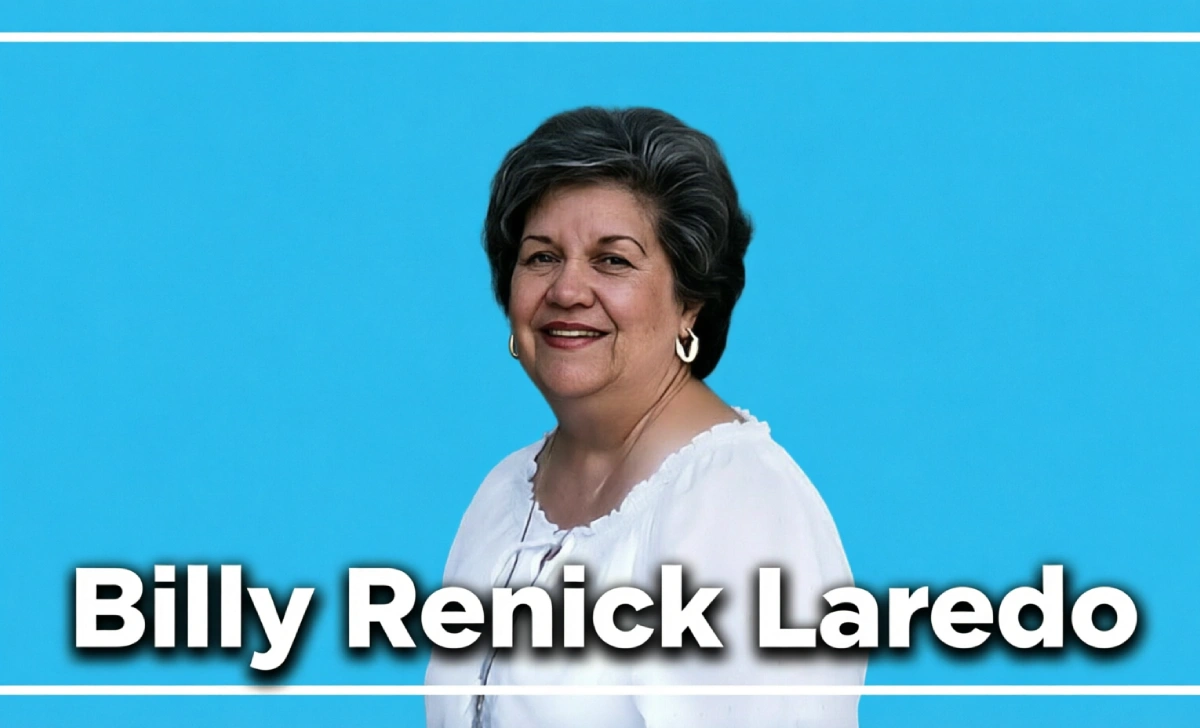
In Laredo, Texas, some of the most important work happens far from cameras and press releases. Billy Renick Laredo is not a name you will find on award stages or in industry magazines. Yet between 2016 and 2022, his name appeared consistently in a place that carries more weight than most — family obituaries. When people are grieving and choosing every word with care, they name him. That alone tells a complete story.
This is the biography of a healthcare professional whose legacy is measured not in trophies, but in trust.
Quick Facts About Billy Renick Laredo
| Detail | Information |
|---|---|
| Full Name | Billy Renick |
| Location | Laredo, Texas |
| Profession | Nurse / Hospice Caregiver |
| Work Settings | St. Jude’s Specialized Home and Health Care Services; LMC Skilled Nursing Facility |
| Public Recognition Period | 2016–2022 |
| Nature of Recognition | Named in family obituaries for compassionate patient care |
| Public Profile | No social media or published interviews on record |
Who Is Billy Renick? A Profile Rooted in Laredo
Billy Renick is a nurse and hospice caregiver based in Laredo, Texas. He is associated with two primary healthcare organizations in the region: St. Jude’s Specialized Home and Health Care Services and the LMC Skilled Nursing Facility. These are not administrative roles. The references made to him in public records point directly to bedside care — the most demanding and most human side of medicine.
No verified birth date or formal educational background is publicly available for Billy Renick. This is common among healthcare workers who prioritize patient privacy and professional discretion. What is documented, however, is a pattern of recognition that spans multiple years and multiple unrelated families.
Early Influences and the Path Into Healthcare
While little is known about Billy Renick’s personal background, the environment of Laredo itself offers context. Laredo sits along the Texas-Mexico border and is home to a close-knit community where healthcare workers often serve families across generations. The city’s population relies heavily on local medical infrastructure, and institutions like St. Jude’s play a central role in end-of-life care for residents.
Healthcare professionals who build careers in cities like Laredo often do so out of genuine community commitment. The border region faces unique healthcare challenges — including limited specialist access and high rates of chronic illness — which means nurses and hospice workers shoulder a larger portion of patient care than their counterparts in major metro areas.
For someone like Billy Renick, choosing hospice and skilled nursing work in this context suggests a deliberate professional path. This is not a career people drift into. It requires specific training, emotional resilience, and a long-term commitment to some of the most difficult moments in human life.
The Breakthrough: Recognition Through Family Grief
Most professionals build their public profile through LinkedIn pages, press features, or industry events. Billy Renick’s recognition came through a different channel entirely — the formal language of mourning.
In a 2016 obituary, the family of a deceased patient specifically thanked “nurses… Billy Renick” of St. Jude Hospice Care for providing “the best of care.” This is not a routine acknowledgment. Families drafting obituaries are focused on honoring the person they lost. Naming a caregiver in that space reflects something beyond standard appreciation — it signals that the person’s presence made a real difference during an irreplaceable and painful time.
By 2022, a second unrelated family referenced “Hospice Specialty nurses Billy Renick” for their “dedication to the medical care of our mother.” Two separate families, years apart, each making the same choice to name him publicly. That consistency is the defining data point of this profile.
Professional Work: St. Jude’s and LMC Skilled Nursing
St. Jude’s Specialized Home and Health Care Services operates within Laredo, providing in-home nursing, hospice coordination, and palliative support. Nurses working in this environment often operate with significant independence — managing symptoms, adjusting medication, communicating directly with physicians, and guiding families through end-of-life decisions in real time.
The LMC Skilled Nursing Facility handles a different patient population: individuals recovering from surgery, managing chronic illness, or requiring continuous medical supervision. Staff acknowledged in funeral notices from skilled nursing settings are typically those who provided sustained, hands-on care over extended periods — not brief interactions but weeks or months of consistent presence.
Professionals working across both hospice and skilled nursing environments must hold active nursing licensure, complete ongoing continuing education, and demonstrate competency in areas including pain management, infection control, and patient communication. Billy Renick’s documented work history across both settings points to a well-rounded clinical background.
The fact that his name appears in both contexts — home-based hospice care and inpatient skilled nursing — suggests he held a stable, trusted role within Laredo’s healthcare system for at least six years.
The Impact: What Hospice Care Actually Demands
To understand Billy Renick’s contribution, it helps to understand what hospice work actually involves. This is not simply keeping patients comfortable. Hospice nurses assess changing symptoms, communicate prognosis clearly and compassionately, support family members who are processing anticipatory grief, and make judgment calls in situations where no protocol fully covers the reality in front of them.
According to national healthcare data, the average hospice nurse in the United States manages between 10 and 15 patients at a time, often visiting multiple homes in a single day across distances that can be significant in border regions like Laredo. The emotional weight is compounding. Many hospice nurses report that the job requires what might be called active emotional management — the ability to be fully present for patients and families without becoming overwhelmed.
That Billy Renick sustained this work across years, and that families consistently chose to mention him in their final formal words about a loved one, reflects a professional who handled that weight with dignity.
A Healthcare Career Without a Public Profile
There is something worth pausing on here. Billy Renick has no social media presence, no published interviews, and no professional website that has surfaced in available records. In a time when personal branding has become standard practice even in healthcare, his absence from digital platforms is notable.
This is not unusual among nurses who entered the profession in earlier decades or among healthcare workers who maintain strict personal privacy as an extension of their patient-focused values. Many nurses and caregivers prefer their work to speak through patient outcomes and family relationships rather than public visibility.
What it means in practice is that the obituary mentions represent the entirety of his documented public legacy. And yet, within the community he served, the picture they paint is consistent and credible.
Community Healthcare in Laredo: A Broader Reality
Billy Renick’s profile is representative of a much larger group of healthcare workers whose contributions rarely receive formal recognition. In South Texas border communities, nurses and caregivers often serve as primary medical contacts for families navigating language barriers, limited insurance coverage, and constrained access to specialized care.
These are the professionals who explain a diagnosis in terms a family can understand, who sit with a patient at 2 a.m. because the pain medication needs adjusting, and who return calls on weekends because they know the family has no one else to ask. The healthcare system functions because of them, not despite their anonymity.
Billy Renick’s story, assembled almost entirely from memorial acknowledgments, is a direct reflection of this reality.
Personal Life and Professional Boundaries
No verified personal details — including age, educational background, family status, or residential address — are available for Billy Renick of Laredo in public records at this time. This is consistent with healthcare professionals who maintain a clear boundary between their work identity and their private life.
Several records databases list individuals named Billy Renick in Laredo, Texas, but cross-referencing these with healthcare employment data has not produced a confirmed public profile. The absence is deliberate, and it is respected here.
What can be said with confidence is that his professional presence in Laredo spanned at least six years, covered both home-based and inpatient care environments, and left a documented trail of family gratitude.
Legacy: Presence as a Form of Professionalism
Billy Renick Laredo did not build a legacy through media coverage or institutional recognition. He built it through the kind of consistent, dignified care that families remember when they are sitting down to write the hardest document they will ever write.
Each obituary that mentions his name is a small, permanent record. Together, they form a profile of a healthcare professional whose measure of success was entirely patient-centered. In a field where burnout is high and recognition is low, that kind of sustained commitment carries its own significance.
The next time a family in Laredo calls a hospice nurse by name in a public tribute, it is worth understanding what that means. It means someone showed up, fully, when it mattered most.
FAQs
Who is Billy Renick Laredo?
Billy Renick is a nurse and hospice caregiver based in Laredo, Texas. He is recognized in multiple family obituaries between 2016 and 2022 for providing compassionate care at St. Jude’s Specialized Home and Health Care Services and the LMC Skilled Nursing Facility.
Where did Billy Renick work in Laredo?
He worked at St. Jude’s Specialized Home and Health Care Services and the LMC Skilled Nursing Facility in Laredo, Texas. Both are healthcare settings focused on end-of-life and long-term patient care.
Why is Billy Renick notable?
His name appears independently in multiple family obituaries spanning several years. Being named in funeral notices by unrelated grieving families reflects a consistent and trusted professional presence in Laredo’s healthcare community.
Is Billy Renick active on social media?
No publicly available social media profiles or professional pages have been identified for Billy Renick of Laredo. He appears to maintain a private personal and professional presence.
What does hospice care involve in Laredo, Texas?
Hospice care in Laredo involves in-home or facility-based nursing support for patients with terminal or serious illness. Nurses manage symptoms, coordinate with physicians, and provide emotional support to both patients and families. St. Jude’s Specialized Home and Health Care Services is one of the primary providers of this care in the region.