

Few actors from the 1990s teen film era kept working at a steady pace all the way into the streaming age. Ethan Embry is one of them. Born Ethan Philan Randall, he spent more than three decades moving between film, television, and voice acting without a long career break. His name still carries recognition among fans of 1990s cinema, and his seven-season run on a major Netflix series kept his income consistent long after the peak of his film career. That combination of early visibility and late-career stability is what shaped his current financial standing.
Ethan Embry Net Worth
As of 2026, Ethan Embry’s net worth is estimated at $3 million to $4 million. There are no official financial disclosures on record. These figures come from celebrity finance tracking sites and career earnings analysis, and they should be treated as estimates rather than confirmed numbers. That said, the range is consistent with what a working actor at his level — steady roles across multiple decades, no major gaps — would reasonably accumulate.
He never landed the kind of franchise role that pushes actors into the $20 million range, but he also never disappeared. That consistency matters when looking at total career earnings. Long-term output across film, television, and voice work adds up in ways that a single high-paying project cannot always replicate. For a reference point on how decades of steady screen work translate into lasting wealth, the Jack Smith net worth breakdown covers similar financial patterns in detail.
Main Income Sources

Film acting was the first major income stream. During the 1990s, Embry appeared in a string of commercially visible projects — Empire Records, That Thing You Do!, and Can’t Hardly Wait among them. These were ensemble or supporting roles in films aimed at younger audiences. They built his name and his casting value, though the financial structure of those projects likely did not include back-end participation that would have generated long-term royalties from their success.
The more financially significant film came in 2002. Sweet Home Alabama crossed $180 million at the box office, and Embry held a co-lead role. A film performing at that level typically carries higher upfront salaries for its leads than smaller ensemble projects. That payday likely represented the highest single-film earnings of his career. For a comparison of how film-era salaries built wealth for actors across generations, the Victor Mature net worth profile covers that pattern in detail.
Television became his most reliable income source over time. His casting as Coyote Bergstein on Grace and Frankie gave him a series regular role across all seven seasons, from 2015 to 2022. Netflix series regular contracts at that level are not small. Seven seasons mean seven years of consistent salary from a single production, which is rare for most working actors. That run alone likely accounts for a large portion of his estimated net worth.
Recurring roles on Sneaky Pete, where he appeared from 2015 to 2019, and on The Walking Dead in 2015 and 2017, added episodic income alongside his Grace and Frankie work. Those were not lead roles, but recurring television appearances carry their own pay structure and contribute to overall annual earnings.
Voice acting added another income category. Embry voiced The Flash and Barry Allen in DC animated films, including Justice League: The Flashpoint Paradox, along with other animation projects. Voice work pays per session and generates residuals as the content continues to circulate across platforms. DC animated titles in particular have long shelf lives in digital and physical distribution, which means those residuals remain active for years after the original recording.
Residuals from his broader film and television catalog also contribute to his income. A career spanning three decades across multiple formats produces a catalog that continues to generate payments through syndication, streaming licensing, and physical media sales. Convention appearances, while not a primary source, add supplementary income given his following among fans of 1990s cult films.
Career Highlights
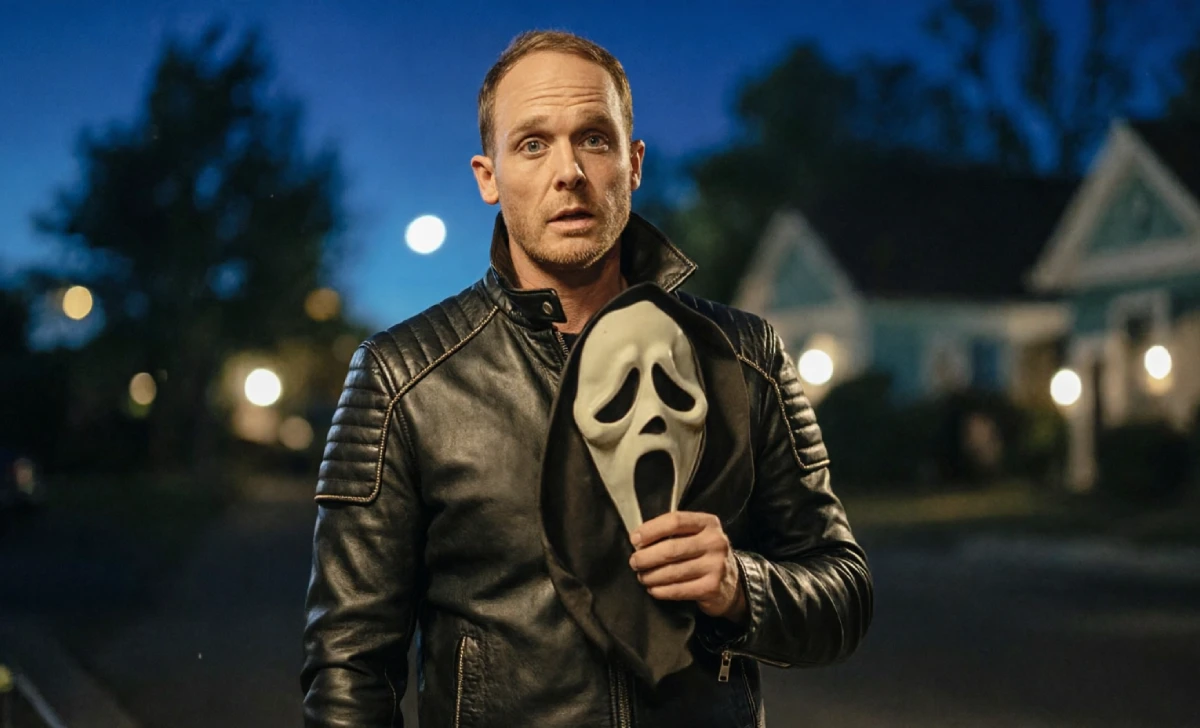
Empire Records in 1995 is where his screen career became visible to a wide audience. The film underperformed at the box office during its initial release but developed a cult following that has remained active for decades. That fanbase contributes to his convention value and keeps his early work in circulation.
That Thing You Do! in 1996 placed him alongside a strong cast in a Tom Hanks-directed film. Can’t Hardly Wait in 1998 added another credit in the same genre. Together, these three films established him as a recognizable face in 1990s teen and young adult cinema.
Sweet Home Alabama in 2002 was the highest-grossing project of his film career. The film’s box office performance made it one of the more successful romantic comedies of that year, and his co-lead role positioned him as a commercially viable actor beyond the teen film category.
The transition to television, which became more pronounced from 2015 onward, was the most financially sound move of his later career. Grace and Frankie gave him steady work for seven years. His DC voice acting work during the same period added a separate income stream that required different skills and opened a different segment of the entertainment market.
Financial Growth

His wealth did not build through a single large event. The 1990s film work established his market value and generated early career earnings. Sweet Home Alabama raised its income ceiling in the early 2000s. The years between 2005 and 2014 included consistent work — horror films, drama roles, supporting parts — that kept money coming in without producing a career-defining hit.
The 2015 to 2022 period, anchored by Grace and Frankie, was likely the most financially stable stretch of his career. A long-running streaming series offers a level of income certainty that film work rarely provides. Combined with recurring television roles and ongoing voice acting, that period probably produced the steadiest annual income of his professional life.
No publicly confirmed real estate holdings, business investments, or brand endorsements exist in his name. His estimated net worth of $3 million to $4 million appears to come entirely from his work as a performer — built over more than 30 years of consistent screen presence across multiple formats.
Conclusion
Ethan Embry’s net worth in 2026 reflects what a sustained acting career without major breaks actually looks like financially. He is not among the wealthiest actors of his generation, but his career produced income across enough formats and long enough timelines to result in a stable financial position. Film salaries, seven seasons of Netflix income, DC voice acting residuals, and a catalog that continues to circulate — those combined sources account for the $3 million to $4 million range that current estimates place him in.
His story is one of consistency rather than peaks. That consistency, over more than three decades, is what built and maintained his wealth. If you want to explore similar career-based financial profiles, the Liz Cheney net worth breakdown examines how long-term professional output shapes financial standing across different industries.
Disclaimer: The net worth figures mentioned are based on publicly available information, industry reports, and reliable estimates. In some cases, additional insights or updates may be considered where available. Although we aim to keep the data as accurate and current as possible, these figures should still be viewed as estimates rather than exact financial records. We always appreciate corrections or updated information from reliable sources.